

7 Powerful Fruits to Lose Weight, Boost Immunity and Have More Energy [Complete 2026 Guide]
Choosing the right fruit can make all the difference in your health results
1/7/202614 min read

7 Powerful Fruits to Lose Weight, Boost Immunity and Have More Energy [Complete 2026 Guide]
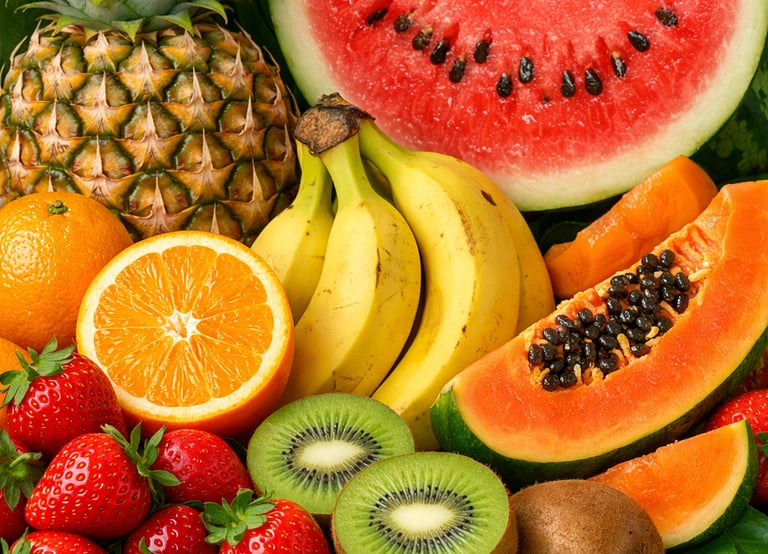
Have you ever stopped to think that choosing the right fruit can make all the difference in your health results? Whether it's losing those extra pounds, strengthening your immune system, or simply having more energy throughout the day, there's a perfect fruit waiting for you.
Nature has gifted us with true superfoods that go far beyond delicious flavor. Each fruit carries a unique arsenal of vitamins, minerals, and bioactive compounds capable of transforming your health in a natural and tasty way. And the best part: you don't need expensive supplements or radical diets to achieve your goals.
In this complete guide, we'll explore seven powerful fruits and their specific benefits for different health objectives. You'll discover not only which nutrients each offers but also how and when to consume them to maximize results. Get ready to transform your fruit basket into a true natural pharmacy!
Fruits for Healthy Weight Loss
When the goal is weight loss, the right fruits can be your best allies. They offer satiety, very few calories, and even naturally accelerate metabolism.
1. Pineapple: The Natural Fat Burner
Pineapple is much more than a tasty tropical fruit. It contains a special enzyme called bromelain, which directly aids protein digestion and can accelerate the weight loss process.
Pineapple's main nutrients:
Vitamin C: 47.8mg per 100g (about 80% of daily recommendation)
Manganese: Essential for energy metabolism
Fiber: 1.4g per 100g, promoting satiety
Bromelain: Exclusive proteolytic enzyme
Why pineapple helps with weight loss:
The bromelain present in pineapple not only improves digestion but also has anti-inflammatory properties that can reduce abdominal bloating. With only 50 calories per 100g, pineapple offers natural sweetness without harming your diet. Additionally, its diuretic effect helps eliminate retained fluids, that bloated feeling that bothers many people.
How to consume for best results:
Consume two to three slices at breakfast or about 30 minutes before lunch. This prepares your digestive system and increases satiety. You can also consume after workouts to help with muscle recovery. Avoid canned or syrup versions, as they contain added sugars that cancel out the benefits.
Attention: Pineapple has natural acidity. If you have stomach sensitivity, avoid consuming on an empty stomach and prefer after a light meal.
2. Watermelon: Hydration and Satiety With Almost Zero Calories
If there's a fruit that seems to have been created especially for those wanting to lose weight, it's watermelon. With an impressive 92% water composition and only 30 calories per 100g, it's practically a flavorful and nutritious glass of water.
Watermelon's main nutrients:
Lycopene: Powerful antioxidant
Vitamin A: Important for skin and vision
Citrulline: Amino acid that improves circulation
Potassium: 112mg per 100g
Why watermelon helps with weight loss:
Watermelon works as a perfect trick to fool hunger. Its high water content takes up space in the stomach, providing real satiety with minimal caloric intake. The citrulline present in the fruit improves blood circulation and can assist in physical performance during exercise. Lycopene, the same antioxidant found in tomatoes, helps combat chronic inflammation, frequently associated with weight gain.
How to consume for best results:
Watermelon is perfect as a snack between main meals, especially during times when you crave something sweet. Consume two to three medium slices. In summer, you can freeze watermelon cubes to make natural popsicles without added sugar. Another delicious option is preparing flavored water with watermelon and mint.
Important for diabetics: Despite being extremely healthy, watermelon has a medium glycemic index. Diabetics should consume in moderation and always accompanied by a protein or healthy fat source to balance sugar absorption.
Fruits to Strengthen Immunity
A strong immune system is your first line of defense against flu, colds, and infections. These fruits are true champions in nutrients that boost your natural defenses.
3. Orange: The Classic Queen of Vitamin C
The orange has earned its reputation as a symbol of immune health for good reasons. It's one of the most accessible and effective sources of vitamin C, the essential nutrient for strengthening our defenses.
Orange's main nutrients:
Vitamin C: 53mg per 100g
Flavonoids: Hesperidin and naringenin
Folate: Important for cell production
Potassium: 181mg per 100g
Fiber: 2.4g per 100g (especially in the white part)
Why orange strengthens immunity:
The vitamin C present in oranges stimulates the production and function of white blood cells, the cells responsible for fighting invaders in the body. The flavonoids present in the fruit have powerful antioxidant action, protecting immune system cells against damage. Additionally, vitamin C increases interferon production, proteins that prevent viruses from replicating.
How to consume for best results:
Always prefer the whole fruit instead of juice. When you eat the complete orange, you consume the fibers present in the white part (albedo) and segments, which help moderate sugar absorption and feed beneficial gut bacteria. Consume one medium orange in the morning, when vitamin C absorption is optimized. During periods of higher flu and cold risk, you can increase to two oranges daily.
Special tip: Don't throw away the white part of the orange! Although more bitter, it concentrates important flavonoids and fibers. If the taste bothers you, try making teas with the well-cleaned peel.
4. Kiwi: The Super Powerful Fruit You Underestimate
Kiwi is often overlooked in fruit baskets, but this small fuzzy fruit deserves much more attention. Believe it: kiwi contains more vitamin C than an orange and offers a unique combination of immune nutrients.
Kiwi's main nutrients:
Vitamin C: Impressive 92.7mg per 100g
Vitamin E: Cell-protective antioxidant
Vitamin K: Important for coagulation and bones
Potassium: 312mg per 100g
Folate and abundant fiber
Why kiwi strengthens immunity:
With almost double the vitamin C of an orange, kiwi is one of the most potent foods for stimulating the immune system. The combination of vitamins C and E creates a synergistic effect, protecting immune cells against oxidative stress. Studies show that regular kiwi consumption can reduce the duration and severity of colds. The fruit also improves iron absorption from foods, preventing anemia that can compromise immunity.
How to consume for best results:
Consume one to two kiwis daily, preferably at breakfast or afternoon snack. You can eat with a spoon, cutting the fruit in half, or peel and slice. A surprising tip: kiwi skin is edible and concentrates extra fiber and antioxidants. Just scrub well under running water and consume. The flavor is slightly acidic and the texture may feel strange at first, but it's worth trying.
Powerful combination: Mix kiwi with plain yogurt. The vitamin C from kiwi helps your body better absorb the calcium from yogurt, creating a complete and functional snack.
Fruits for Energy and Vitality
When that fatigue hits and you need real energy (not the artificial kind from coffee or energy drinks), these fruits offer quality natural fuel.
5. Banana: The Natural Dose of Immediate Energy
Banana is probably the most consumed fruit by athletes before workouts, and this is no coincidence. It offers the perfect combination of fast-absorbing carbohydrates, essential minerals, and mood-improving compounds.
Banana's main nutrients:
Potassium: 358mg per 100g
Vitamin B6: Crucial for energy metabolism
Tryptophan: Serotonin precursor
Magnesium: Important for muscles and energy
Carbohydrates: 22g per 100g (varies with ripeness)
Why banana provides energy:
Banana's carbohydrates are quickly converted to glucose, providing immediate energy for brain and muscles. Potassium is essential for proper muscle function and prevents those unpleasant cramps during and after exercise. Vitamin B6 helps convert food into usable energy for the body. An extra benefit: the tryptophan present in bananas is converted to serotonin, the feel-good neurotransmitter, improving your mood along with your energy.
How to consume for best results:
The secret is in the ripeness point. Greener bananas contain more resistant starch, which is slowly digested and offers sustained energy for longer. Well-ripened bananas (those with brown spots) have more fast-absorbing sugar, ideal for immediate energy before intense exercise.
For workouts: consume a ripe banana about 30 minutes before physical activity. For sustained energy throughout the day: prefer greener banana at breakfast. You can combine with natural peanut butter to add protein and healthy fats, further prolonging energy release.
Quick recipe: Mash a ripe banana, mix with oats and a pinch of cinnamon. Bake for 15 minutes. You'll have natural energy cookies without added sugar.
Fruits for Skin, Hair and Natural Beauty
Beauty that comes from within isn't just a pretty phrase. The nutrients present in certain fruits really transform skin and hair visibly.
6. Papaya: The Natural Elixir for Radiant Skin
Papaya is a natural pharmacy for your skin. Rich in vitamins and containing a special enzyme called papain, it works both from the inside out and can be used topically.
Papaya's main nutrients:
Beta-carotene: Vitamin A precursor
Vitamin C: 60.9mg per 100g
Lycopene: Protective antioxidant
Papain: Proteolytic enzyme
Vitamin E and folate
Why papaya is good for skin and hair:
The beta-carotene in papaya is converted to vitamin A in the body, an essential nutrient for skin cell renewal. This means fewer wrinkles, better healing, and acne prevention. Vitamin C stimulates collagen production, the protein that keeps skin firm and young. Papain has natural exfoliating properties, removing dead cells and revealing new, radiant skin. For hair, antioxidants protect strands against damage caused by free radicals and pollution.
How to consume for best results:
Consume a medium slice of papaya at breakfast, preferably on an empty stomach for better nutrient absorption. Papaya also aids intestinal function, and a healthy gut directly reflects in skin quality. To enhance effects, combine papaya with chia or flaxseeds, which provide omega-3 for deep skin hydration.
Topical use - homemade facial mask:
Mash a small piece of ripe papaya and apply directly to clean face. Leave on for 15 minutes and rinse. Papain will perform gentle exfoliation, removing dead cells without aggressing skin. Use once a week for visible results in a few weeks.
Attention: People with very sensitive skin should do a sensitivity test before applying papaya to the face. Papain can be very active for some skin types.
Antioxidant Fruits Against Aging
Antioxidants are molecules that fight free radicals, responsible for premature aging and various diseases. These fruits are true cellular shields.
7. Strawberry: Small in Size, Giant in Antioxidants
Don't be fooled by the strawberry's modest size. This little red fruit concentrates an impressive amount of antioxidant compounds, especially anthocyanins, responsible for its vibrant color and extraordinary benefits.
Strawberry's main nutrients:
Vitamin C: 58.8mg per 100g
Manganese: Cofactor for antioxidant enzymes
Anthocyanins: Antioxidant pigments
Folate: Important for DNA and cells
Potassium and magnesium
Why strawberry is so antioxidant:
The anthocyanins present in strawberries are considered among nature's most potent antioxidants. They fight free radicals that damage cells and accelerate aging. Studies show that regular strawberry consumption can improve brain function, especially memory and cognition, protecting against age-related decline. Antioxidants also have anti-inflammatory action, reducing chronic inflammation that contributes to cardiovascular disease, diabetes, and cancer.
How to consume for best results:
Consume five to eight medium strawberries daily to obtain significant antioxidant benefits. Strawberries are perfect as an afternoon snack or added to plain yogurt. You can freeze them and use in smoothies, maintaining practically all nutrients intact.
Important - beware of pesticides:
Unfortunately, strawberries are among the fruits with the highest pesticide residue. Always wash thoroughly under running water and, if possible, opt for organic strawberries. A good cleaning technique: soak strawberries for 15 minutes in water with a tablespoon of baking soda, then rinse well.
Powerful antioxidant combination: Mix strawberries with blueberries and chia seeds. You'll have an antioxidant bomb that protects everything from brain to skin.
Comparative Table: Choose Your Fruit by Objective
To make your daily choices easier, see this practical summary comparing the seven powerful fruits:
FRUIT MAIN OBJECTIVE NUTRITIONAL HIGHLIGHT CALORIES (100g) BEST TIME Pineapple Weight Loss Digestive Bromelain 50 kcal Morning or pre-lunch Watermelon Weight Loss 92% water + hydration 30 kcal Snacks between meals Orange Immunity 53mg Vitamin C 47 kcal Breakfast Kiwi Immunity 92mg Vitamin C 61 kcal Morning or afternoon Banana Energy and vitality 358mg Potassium 89 kcal Pre-workout or morning Papaya Healthy skin and hair Beta-carotene + Papain 43 kcal Fasting in morning Strawberry Anti-aging antioxidant Potent Anthocyanins 32 kcal Any time
Practical Guide: How to Maximize Fruit Benefits
Knowing how to choose the right fruits is only half the journey. The way you consume, combine, and store your fruits can amplify or diminish their benefits.
Best Time to Eat Each Type of Fruit
Morning (breakfast): Citrus fruits like orange, kiwi, and pineapple are ideal. Vitamin C has better absorption in the morning period and they help "wake up" metabolism. Papaya on empty stomach optimizes intestinal function.
Pre-workout (30-60 minutes before): Ripe banana or pineapple provide quick energy without weighing on the stomach. Avoid fruits very rich in fiber that can cause discomfort during exercise.
Snacks between meals: Watermelon and strawberry are perfect. They kill hunger with few calories and don't interfere with main meals.
Post-workout: Banana combined with a protein source (like yogurt) helps with muscle recovery.
Night (avoid): Very sweet or ripe fruits before sleeping can raise blood sugar and harm sleep. If necessary, prefer strawberries or watermelon in small quantity.
Recommended Amount of Fruits Per Day
The World Health Organization recommends consuming two to four servings of fruits daily, totaling between 200 and 400 grams. One serving equals:
1 medium orange
1 medium banana
1 large watermelon slice
2 kiwis
1 papaya slice
8-10 strawberries
2-3 pineapple slices
Golden rule: Vary colors. Each color represents different bioactive compounds. A colorful plate guarantees nutritional diversity.
How to Combine Fruits for Best Results
Fruits + Healthy fats: Combine strawberries or banana with natural peanut butter, or papaya with chia seeds. Fat-soluble vitamins (A, E, K) present in fruits are better absorbed in the presence of healthy fats.
Fruits + Proteins: Add fruits to plain yogurt or cottage cheese. This combination balances natural sugars, provides prolonged satiety, and optimizes muscle recovery.
Fruits + Green vegetables: Smoothies combining banana or pineapple with spinach or kale are nutritionally complete. The sweet flavor of fruits masks the taste of vegetables, facilitating consumption.
Avoid: Mixing too many different fruits at once. Your digestive system processes better when you consume 2-3 types per meal, not 7 or 8 together.
Preference: Whole Fruit vs. Juice
This is a common question and the answer is clear: always prefer whole fruit.
When you turn fruits into juice, you lose practically all fibers, which are essential for:
Controlling sugar absorption speed
Feeding beneficial gut bacteria
Providing lasting satiety
Regulating intestinal transit
Additionally, it's much easier to consume excess calories via juice. You can easily drink juice from 4-5 oranges, but would rarely eat 5 whole oranges.
Exception: If you really prefer juice, make it at home, consume immediately (oxidation quickly destroys vitamins), and add fibers back or consume with some fiber source.
Myths and Truths About Fruit Consumption
Let's clarify some common doubts that generate confusion:
✅ TRUTH: Fruits in the morning accelerate metabolism
Fruits, especially citrus, contain compounds that stimulate digestive enzymes and metabolism. Fructose combined with fibers provides sustained energy without insulin spikes when consumed in the morning.
❌ MYTH: Fruit after meals makes you gain weight or ferments in the stomach
There's no solid scientific evidence for this. What matters for weight gain or loss is total daily calories, not the specific consumption time. "Fermentation" in the stomach is also a myth. Your stomach has very acidic pH, preventing significant fermentation.
✅ TRUTH: Organic fruits are more nutritious and safer
Studies show that organic fruits tend to have slightly higher levels of antioxidants and absence of pesticide residues. Although the nutritional difference isn't huge, reduced exposure to pesticides already justifies the choice when possible.
❌ MYTH: Diabetics can't eat fruits
Diabetics can and should eat fruits, as long as in moderation and choosing options with lower glycemic index. Fruits like strawberry, watermelon, and kiwi are excellent choices. The secret is not consuming fruits alone, but combined with proteins or healthy fats that slow sugar absorption.
✅ TRUTH: Frozen fruits maintain nutrients
Quick freezing preserves up to 90% of fruit nutrients. Often, frozen fruits are more nutritious than "fresh" ones that spent days or weeks being transported and stored. Freeze your fruits at home to always have healthy options available.
❌ MYTH: Natural juice is as healthy as whole fruit
As explained earlier, juice eliminates fibers and concentrates sugars. Even 100% natural juices without added sugar aren't nutritionally equivalent to whole fruit. A glass of orange juice can contain the sugar of 4-5 oranges without any fiber to moderate absorption.
Frequently Asked Questions About Fruits
Can I eat fruits at night or does this harm weight loss?
You can eat fruits at night, but with discernment. Prefer less caloric options with lower glycemic index, like strawberries or watermelon. Avoid very ripe bananas or very sweet fruits close to bedtime, as they can raise blood sugar and interfere with sleep quality. If hungry before bed, 5-6 strawberries are an excellent option.
Can diabetics consume all these fruits?
Yes, but with moderation and professional guidance. Diabetics should avoid very ripe fruits (higher sugar content) and never consume fruits alone. Always combine with a protein or healthy fat source. Strawberries, watermelon, and kiwi are good options for having lower glycemic impact. Very ripe bananas and canned fruits should be avoided. Most importantly, monitor blood sugar and adjust according to individual response.
Do frozen fruits lose nutrients?
Not significantly. Quick freezing preserves between 80-90% of fruit nutrients. In some cases, fruits frozen soon after harvest can be more nutritious than "fresh" fruits that spent days being transported and stored at inadequate temperature. Freeze your own fruits at home: wash, dry, cut, and freeze in individual portions for smoothies or quick snacks.
What's the best fruit for constipation?
Papaya leads this category. The papain enzyme not only aids digestion but has a gentle laxative effect. Consume a slice on empty stomach in the morning. Fresh or dried plums are also extremely effective due to sorbitol, a natural sugar with laxative effect. Other good options: kiwi (soluble fibers) and orange with pulp (insoluble fibers). Remember to increase water consumption along with fiber-rich fruits.
Can pregnant women eat all these fruits?
Yes, all mentioned fruits are safe and beneficial during pregnancy. In fact, they're especially recommended. Orange's folate is crucial for fetal development. Kiwi's vitamin C increases iron absorption, preventing gestational anemia. Banana's potassium prevents cramps common in pregnancy. Just make sure to thoroughly wash fruits, especially strawberries, to eliminate any risk of toxoplasmosis or other contaminations.
Can I replace meals with fruits?
Not recommended. Fruits are excellent nutritional complements, but don't provide all necessary macronutrients, especially proteins and essential fats. You can have snacks exclusively with fruits, but main meals should include proteins, complex carbohydrates, healthy fats, and diverse vegetables. Diets based exclusively on fruits can lead to serious nutritional deficiencies.
Can children eat these fruits freely?
Yes, all mentioned fruits are safe and nutritious for children. In fact, establishing the habit of consuming fruits in childhood is fundamental for lifelong health. For babies starting complementary feeding (from 6 months), mash or offer in appropriate pieces for baby-led weaning (BLW). Be careful only with very acidic fruits like pineapple for very small babies, which can cause diaper rash. Always observe allergy signs when introducing new foods.
Conclusion: Transform Your Health One Fruit at a Time
We've reached the end of this complete guide, and the main message is clear: you don't need expensive supplements or fad diets to achieve your health goals. Nature already offers everything you need in delicious, accessible, and proven effective forms.
Each of the seven fruits we explored has its own nutritional "superpower." Pineapple accelerates digestion and weight loss with its unique bromelain. Watermelon kills hunger with only 30 calories per 100g. Orange and kiwi strengthen your immune defenses with generous doses of vitamin C. Banana provides clean and sustained energy for your most intense days. Papaya works from the inside out, nourishing skin and hair. And strawberry protects every cell in your body with its powerful antioxidants.
The secret isn't consuming all fruits every day, but creating a varied and colorful routine that naturally fits your lifestyle. Start small: choose one fruit to add to your breakfast this week. Next week, include another as an afternoon snack. Gradually, your fruit basket will transform into a natural pharmacy personalized for your needs.
Always remember to prioritize whole fruits instead of juices, vary colors and types, and combine fruits with other healthy foods to enhance nutrient absorption. Your body will thank you with more energy, strengthened immunity, healthy weight, and a radiant appearance.
Now it's your turn: Which of these seven powerful fruits will you try first? Or better yet, which will you add to your routine starting today? Share in the comments your experiences, favorite recipes, or questions about including more fruits in your daily life.
Your journey to better health starts with simple choices. And there's no simpler and more delicious choice than a fresh and nutritious fruit.
🍎 7 Powerful Fruits for Every Goal 🍊
Discover which fruit is perfect for your needs
🍍 Pineapple
🎯 Weight Loss
Standout Nutrients:
Bromelain (digestive enzyme)
Vitamin C: 47.8mg
Fiber: 1.4g
Diuretic effect
Calories (100g): 50 kcal
🍉 Watermelon
🎯 Weight Loss
Standout Nutrients:
92% water - Hydration
Lycopene antioxidant
Citrulline for circulation
Maximum satiety
Calories (100g): 30 kcal
🍊 Orange
🛡️ Immunity
Standout Nutrients:
Vitamin C: 53mg
Powerful flavonoids
Folate for cells
Fiber: 2.4g
Calories (100g): 47 kcal
🥝 Kiwi
🛡️ Immunity
Standout Nutrients:
Vitamin C: 92.7mg
Antioxidant Vitamin E
Vitamin K and potassium
Double the Vit C of orange
Calories (100g): 61 kcal
🍌 Banana
⚡ Energy
Standout Nutrients:
Potassium: 358mg
Energetic Vitamin B6
Tryptophan (mood)
Carbohydrates: 22g
Calories (100g): 89 kcal
🥭 Papaya
✨ Skin & Hair
Standout Nutrients:
Beta-carotene (Vit A)
Vitamin C: 60.9mg
Exfoliating Papain
Protective Lycopene
Calories (100g): 43 kcal
🍓 Strawberry
🔬 Antioxidant
Standout Nutrients:
Potent Anthocyanins
Vitamin C: 58.8mg
Antioxidant Manganese
Anti-inflammatory
Calories (100g): 32 kcal
💡 Tips to Maximize Benefits
🌅 Best Time Citrus in morning, banana pre-workout, watermelon as snack
🎨 Vary Colors Each color represents different nutrients. Make a colorful plate!
🥄 Whole Fruit Always prefer whole fruits over juices. Keep the fiber!
📊 Ideal Amount 2-4 daily servings (200-400g) distributed throughout the day
Always consult a nutritionist for personalized guidance
Tags: fruits for weight loss, immunity boosting fruits, energy fruits, healthy eating, natural nutrition, vitamin C foods, antioxidant fruits, healthy lifestyle, natural beauty, metabolism boost, superfoods, fruit benefits, healthy diet, wellness