

7 Powerful Teas to Lose Weight, Relax, Boost Energy and Improve Your Health
A simple cup of tea can be the key to transforming your health, mood, and even your daily energy
1/7/202616 min read
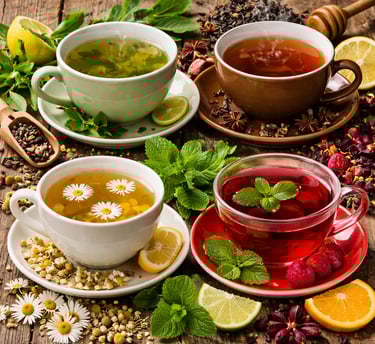
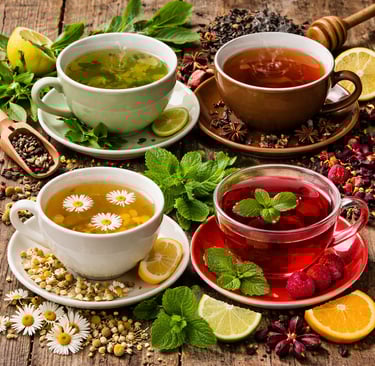
7 Powerful Teas to Lose Weight, Relax, Boost Energy and Improve Your Health
Did you know that a simple cup of tea could be the key to transforming your health, mood, and even your daily energy? While many people turn to expensive supplements or complex medications, nature offers an ancient, accessible, and proven effective solution: teas.
For thousands of years, Eastern cultures have discovered the therapeutic power of leaves, flowers, and roots. What began as an imperial beverage in ancient China is now consumed in more than three billion cups per day around the world. And it's no accident. Modern science is finally validating what our ancestors already knew: specific teas can be powerful allies for very specific health goals.
Are you looking to lose weight naturally? Do you desperately need a restorative night's sleep? Want more energy without the side effects of coffee? Or perhaps you want to strengthen your immunity to better face seasonal changes? There's a perfect tea waiting for you.
In this complete guide updated for 2025, you'll discover the seven most powerful and scientifically proven teas for different health objectives. We go beyond empty promises and dive into bioactive compounds, real benefits, and correct preparation methods. Prepare your favorite cup and come discover how this ancestral beverage can revolutionize your quality of life.
Teas for Weight Loss and Metabolism Boost
When it comes to healthy weight loss, some teas stand out for their proven ability to accelerate metabolism, reduce water retention, and even assist in fat burning.
1. Green Tea: The Thermogenesis Champion
If there's one tea that has earned worldwide scientific backing for weight loss, it's green tea. Extracted from the non-oxidized leaves of Camellia sinensis, it preserves an impressive concentration of bioactive compounds that literally "burn" calories.
Green tea composition:
EGCG (Epigallocatechin-3-gallate): Powerful catechin, 60-80% of polyphenols
Caffeine: 20-40mg per cup (less than coffee, but sufficient for effects)
L-theanine: Amino acid that promotes alert relaxation
Vitamins: B, C, and K
Minerals: Potassium, magnesium, folic acid
Polyphenols: 20-45% of total weight
Why green tea helps with weight loss:
The secret lies in the synergistic combination between EGCG and caffeine. Studies demonstrate that this duo increases thermogenesis (heat production by the body) by up to 4%, which means your body burns more calories even at rest. EGCG also stimulates enzymes that control fat metabolism, encouraging their breakdown instead of storage.
Additionally, green tea acts directly on the sympathetic nervous system, responsible for accelerating metabolism. Research shows a 17% increase in fat oxidation in people who consume green tea regularly. Its natural diuretic effect also helps eliminate retained fluids, reducing swelling and that heavy feeling.
How to prepare and consume for best results:
Water temperature is crucial. Boiling water destroys green tea's bioactive compounds. The ideal temperature is between 158-176°F (70-80°C). Let the water boil and wait two minutes before pouring over the leaves or bag. Let steep for 3 to 5 minutes, no more, as the flavor becomes excessively bitter.
Consume 2 to 4 cups daily, always between meals, never during. Green tea can interfere with iron and calcium absorption from foods. The best time is 30 minutes before meals or one hour after. For those who exercise, drinking a cup 30 minutes before training enhances fat burning.
Important: Always drink without sugar. If the bitter taste bothers you, add a few drops of lemon, which besides improving flavor, increases catechin absorption by up to 13 times. Avoid green tea at night if you're sensitive to caffeine.
Contraindications: People with high blood pressure, pregnant women, nursing mothers, and those suffering from gastritis should consult a doctor before regular consumption. Excess can cause insomnia, irritability, and overload the liver.
2. Hibiscus Tea: The Natural De-Bloater
Hibiscus has gained worldwide fame as a weight loss tea, especially in Brazil. The dried flowers of Hibiscus sabdariffa produce a deep red beverage, slightly acidic, and surprisingly effective for those seeking to lose inches.
Hibiscus tea composition:
Anthocyanins: Antioxidant pigments responsible for color
Flavonoids: Quercetin and other bioactive compounds
Organic acids: Malic, tartaric, and citric
Vitamin C: Strengthens immunity
Minerals: Calcium, iron, magnesium
Why hibiscus helps with weight loss:
Hibiscus isn't magic, but its mechanism of action is well-documented. It inhibits amylase production, the enzyme responsible for breaking down complex carbohydrates into simple sugars. This means fewer carbohydrates are absorbed and more are naturally eliminated.
Its powerful diuretic effect is perhaps its most notable characteristic. Hibiscus stimulates kidneys to eliminate excess sodium and water, significantly reducing fluid retention. Many people report losing up to 4.4 lbs in the first week just from eliminating accumulated fluids.
Studies also indicate that hibiscus can help reduce abdominal fat and improve lipid profile (cholesterol and triglycerides), contributing to cardiovascular health while you lose weight.
How to prepare and consume:
Use 1 tablespoon of dried hibiscus flowers for every 8.5 oz (250ml) of water. Boil water and pour over flowers. Let steep for 5 to 10 minutes. The longer, the stronger and more acidic it will become.
Consume 2 to 3 cups daily, preferably before main meals. Hibiscus can be consumed hot or cold. In summer, prepare a pitcher and keep refrigerated for a refreshing and functional beverage.
Powerful combination: Hibiscus + ginger creates an even more potent thermogenic tea. Add thin ginger slices during infusion.
Attention: Being a potent diuretic, make sure to increase water intake throughout the day. People with low blood pressure should avoid excessive consumption, as hibiscus has a hypotensive effect (reduces blood pressure).
Teas to Relax, Reduce Anxiety and Improve Sleep
We live in an era of chronic stress, generalized anxiety, and epidemic insomnia. These teas offer a natural and effective path to calm the mind and restore restorative sleep.
3. Chamomile Tea: Nature's Tranquilizer
Chamomile is probably the most well-known and consumed calming tea. Its small white and yellow flowers hide compounds capable of inducing deep relaxation without causing excessive daytime drowsiness.
Chamomile tea composition:
Apigenin: Flavonoid that binds to benzodiazepine receptors in the brain
Bisabolol: Essential oil with anti-inflammatory properties
Matricin: Converts to chamazulene, potent anti-inflammatory
Flavonoids: Quercetin and luteolin
Minerals: Copper, zinc, iron, phosphorus, magnesium, potassium
Vitamins: C, B, and A
Why chamomile calms and improves sleep:
The secret lies in apigenin, a compound that acts directly on the central nervous system. It binds to the same brain receptors as anti-anxiety medications, but in a much gentler and more natural way. This reduces excessive neural activity, promoting relaxation without mental dulling.
Chamomile also relaxes smooth muscle, including the uterus, which is why it's so effective against menstrual cramps. Its anti-inflammatory effect calms the digestive system, relieving gastritis, reflux, and abdominal discomfort that frequently disrupt sleep.
Studies demonstrate that people who regularly consume chamomile tea fall asleep faster, have fewer nighttime awakenings, and report better sleep quality. Unlike medications, chamomile doesn't cause dependence or morning grogginess.
How to prepare and consume:
Use 1 tablespoon of dried flowers (or 1 quality bag) for each cup of hot water (not boiling, about 194°F/90°C). Let steep for 5 to 7 minutes, always covered to avoid losing volatile essential oils.
For daytime anxiety, drink 1 cup in the morning and another mid-afternoon. For insomnia, drink 1 cup 30 to 60 minutes before bed, creating a relaxing ritual. You can add a touch of honey (never sugar) if you prefer to sweeten slightly.
Ritual to enhance effect: While drinking tea, practice deep breathing. Inhale counting to 4, hold for 4, exhale counting to 6. Repeat 5 times. This activates the parasympathetic nervous system, amplifying chamomile's relaxing effect.
Contraindications: People allergic to plants in the Asteraceae family (daisies, sunflowers) should avoid. In excess, it can cause daytime drowsiness and, rarely, nausea. Pregnant women should consume in moderation under medical guidance.
4. Lemon Balm Tea (Melissa): The Natural Anxiolytic
Lemon balm, also known as melissa, is one of the most versatile teas for mental and emotional health. Its characteristic citrus aroma already indicates its calming power.
Lemon balm tea composition:
Citral: Essential oil with sedative properties
Citronellal: Calming aromatic compound
Geraniol: Terpene with anxiolytic action
Rosmarinic acid: Neuroprotective antioxidant
Flavonoids: Luteolin and apigenin
Minerals and B-complex vitamins
Why lemon balm combats anxiety and stress:
Lemon balm works by increasing GABA (gamma-aminobutyric acid) availability in the brain, the main inhibitory neurotransmitter. This means less "mental noise," racing thoughts, and excessive worries. It's like turning down the world's volume.
Clinical studies show that melissa significantly reduces generalized anxiety symptoms, improves mood, and even increases focus and concentration capacity. Unlike sedatives, it calms without causing mental slowness, being ideal for those who need to relax but remain productive.
Lemon balm also improves sleep quality, especially in people whose insomnia is caused by anxiety or an agitated mind. It slows brain aging, protecting neurons against oxidative stress.
How to prepare and consume:
Use 1 to 2 tablespoons of dried leaves for each cup of hot water. Let steep for 5 to 10 minutes, always covered to preserve essential oils. The tea should have an intense lemon aroma.
For anxiety, drink 2 to 3 cups throughout the day, especially during moments of greatest tension. For anxiety-related insomnia, drink 1 cup one hour before bed. You can combine with chamomile for an even more potent synergistic effect.
Topical use: Cold lemon balm tea can be used in compresses on the forehead and nape to relieve tension headaches and stress-related migraines.
Contraindications: People with hypothyroidism should avoid regular consumption without medical supervision, as lemon balm can interfere with thyroid function. Also not recommended for those with very low blood pressure or glaucoma.
Teas to Boost Energy and Focus
Coffee isn't always the best option for energy. These teas offer gentler, sustained stimulation without unwanted side effects like jitters and sudden energy crashes.
5. Black Tea: Balanced Energy
Black tea is the most consumed variety worldwide, representing 78% of global tea consumption. Originating from the same leaves as green tea (Camellia sinensis), it undergoes complete oxidation, which gives it dark color, stronger flavor, and a unique benefit profile.
Black tea composition:
Caffeine: 40-70mg per cup (half a coffee)
L-theanine: Amino acid that softens caffeine effects
Theaflavins and thearubigins: Antioxidants formed in oxidation
Polyphenols: In lower quantity than green tea, but still significant
Minerals: Potassium, magnesium, fluoride
Why black tea provides energy without jitters:
The combination of caffeine with L-theanine is what makes black tea special. While caffeine stimulates the central nervous system, increasing alertness and focus, L-theanine promotes alpha waves in the brain, associated with attentive relaxation. The result? Clean energy, sustained focus, and mental clarity, without anxiety, tremors, or sudden energy drop.
Caffeine release from black tea is more gradual than from coffee, providing stable energy for 4 to 6 hours, instead of coffee's characteristic peak and crash. This means sustained productivity without needing multiple doses.
Studies demonstrate that black tea improves reaction time, accuracy in cognitive tasks, and ability to maintain prolonged focus. It also increases dopamine production, the neurotransmitter associated with motivation and pleasure.
How to prepare and consume:
Use boiling water (203-212°F/95-100°C) to completely extract black tea compounds. Leave 1 bag or 1 teaspoon steeping for 3 to 5 minutes. Less time results in weaker tea; more time can make it excessively bitter.
Consume 1 to 2 cups in the morning and/or early afternoon. Avoid after 4 PM if you're sensitive to caffeine. Can be consumed plain or with a touch of milk (traditional English version), although milk may slightly reduce antioxidant absorption.
Famous variations:
Earl Grey: Black tea flavored with bergamot oil, ideal for starting the day
English Breakfast: Robust blend of black teas, perfect for morning energy
Chai: Black tea with spices (cinnamon, cardamom, ginger), stimulating and aromatic
Contraindications: Pregnant women should limit consumption due to caffeine. People with ulcers, gastritis, or reflux may experience stomach discomfort. Those suffering from insomnia should avoid consumption after noon.
6. Ginger Tea: The Natural Revitalizer
Ginger is a powerful root used for millennia in Ayurvedic and Chinese medicine. Its tea offers not only energy but also a complete revitalizing effect for body and mind.
Ginger tea composition:
Gingerol: Main bioactive compound, responsible for spicy flavor
Shogaol: Formed when ginger is heated, even more potent
Zingerone: Antioxidant with anti-inflammatory properties
Essential oils: Citral, limonene, borneol
Vitamins: C, B6, folate
Minerals: Potassium, magnesium, copper, manganese
Why ginger increases energy and vitality:
Gingerol has thermogenic properties, increasing body temperature and, consequently, metabolism. This results in greater cellular energy production (ATP) and a feeling of vitality. Ginger also improves blood circulation, ensuring that oxygen and nutrients efficiently reach all tissues, including the brain.
One of ginger's greatest benefits is its effect on the digestive system. Nausea, poor digestion, and abdominal discomfort steal a lot of energy. Ginger quickly relieves these problems, releasing energy that would be wasted on discomfort.
Ginger tea also reduces systemic inflammation, which causes chronic fatigue. By fighting silent inflammations, it restores natural energy levels that were being drained.
How to prepare and consume:
Peel and cut into thin slices or grate 0.8-1.2 inches (2-3cm) of fresh ginger root (ginger powder also works, but is less potent). Boil in 8.5 oz (250ml) of water for 10 to 15 minutes. The longer, the stronger and spicier it will become.
Strain and drink hot. You can add lemon (enhances effects) and honey (softens the spice). Consume 1 to 2 cups daily, preferably in the morning or before physical activities.
Powerful combination: Ginger + cinnamon + turmeric creates an exceptional anti-inflammatory and energetic tea. Add a pinch of black pepper to increase turmeric's curcumin absorption by up to 2000%.
Contraindications: People with ulcers, gallstones, or taking anticoagulants should consult a doctor before regular consumption. Pregnant women can consume in moderation for nausea, but always under medical guidance. In excess can cause heartburn and stomach discomfort.
Teas to Strengthen Immunity and Prevent Diseases
A strong immune system is your first line of defense against infections, flu, and diseases. These teas are true natural shields.
7. Echinacea Tea: The Immune Guardian
Echinacea (Echinacea purpurea) is a plant native to North America, used by indigenous peoples for centuries to treat infections and strengthen the body. Its tea is one of the most researched for immunity.
Echinacea tea composition:
Alkamides: Unique immunomodulatory compounds
Polysaccharides: Activate immune cells
Phenolic acids: Chicoric acid with antioxidant action
Flavonoids: Quercetin and others
Essential oils: Antimicrobial properties
Why echinacea strengthens immunity:
Echinacea doesn't stimulate the immune system non-specifically. It acts as an intelligent immunomodulator, increasing the production and activity of white blood cells (T lymphocytes, macrophages, and NK cells), especially when the body is under pathogen attack.
Clinical studies show that regular echinacea consumption can reduce cold incidence by up to 58% and decrease symptom duration by 1 to 4 days. It also has direct antiviral action, interfering with viruses' ability to replicate.
Echinacea is especially useful during seasonal changes, periods of intense stress, or when you feel you're "catching something." It acts as a preventive boost, preparing your body to fight invaders before they cause full symptoms.
How to prepare and consume:
Use 1 to 2 teaspoons of dried echinacea root or leaves for each cup of boiling water. Let steep for 10 to 15 minutes. The tea has a slightly bitter taste and may cause slight tongue tingling (sign of quality).
For prevention, consume 1 cup daily during risk periods (winter, stress). If you're already sick, increase to 3 cups in the first days of symptoms. Don't use for more than 8 consecutive weeks without a break.
Important: Echinacea works best as preventive or at symptom onset. After established infection, its effects are smaller. Combine with vitamin C (add lemon to tea) for synergistic effect.
Contraindications: People with autoimmune diseases (lupus, multiple sclerosis, rheumatoid arthritis) should avoid, as echinacea stimulates the immune system. Also not recommended for those using immunosuppressants. Can cause allergic reactions in people sensitive to plants in the Asteraceae family.
Comparative Table: Choose Your Tea by Objective
To make your daily choices easier, see this practical summary comparing the seven powerful teas:
TEA MAIN OBJECTIVE STANDOUT COMPOUND IDEAL DAILY INTAKE BEST TIME Green Tea Weight Loss + Antioxidant EGCG + Caffeine 2-4 cups Between meals, pre-workout Hibiscus Weight Loss + Diuretic Anthocyanins 2-3 cups Before meals Chamomile Relaxation + Sleep Apigenin 2-3 cups Afternoon and evening Lemon Balm Anxiety + Focus Citral + Rosmarinic Acid 2-3 cups During the day Black Tea Energy + Concentration Caffeine + L-theanine 1-2 cups Morning and early afternoon Ginger Vitality + Digestion Gingerol 1-2 cups Morning or pre-activity Echinacea Immunity Alkamides 1-3 cups During the day (8-week cycles)
Practical Guide: How to Prepare Teas Correctly
The way you prepare your tea can make all the difference between taking advantage of or wasting its benefits. Mastering the art of preparation is essential.
Water Temperature: The Most Important Factor
Delicate teas (Green, White): 158-176°F (70-80°C)
Boiling water destroys catechins and makes it bitter
Let water boil, turn off, and wait 2-3 minutes
Medium teas (Oolong, Fresh herbs): 176-194°F (80-90°C)
Wait 1-2 minutes after boiling
Robust teas (Black, Roots, Barks): 203-212°F (95-100°C)
Use boiling water for complete extraction
Pro tip: Invest in a kettle with temperature control or use a culinary thermometer until you memorize the correct points.
Steeping Time: Not More, Not Less
2-3 minutes: Delicate teas, mild flavor
3-5 minutes: Most teas, recommended standard
5-10 minutes: Medicinal teas, roots, when you want maximum extraction
10-15 minutes: Hard roots (ginger, turmeric), therapeutic preparations
Common mistake: Leaving the bag or leaves too long thinking it gets "stronger." Actually, it just becomes more bitter and may extract unwanted compounds. Respect ideal time.
Tea Quality: How to Identify
Superior quality teas:
Whole leaves or large pieces (not powder)
Intense and fresh aroma when you open
Vibrant and natural color
Origin identified on packaging
Clear expiration date (teas lose properties over time)
Avoid:
Very cheap teas (usually low-quality leftovers)
Bags with tea "dust" (processing remains)
Teas without origin information
Open or poorly sealed packages (oxidation)
Golden rule: Organic teas are always preferable, especially for daily consumption, as plants concentrate pesticides if conventionally cultivated.
Proper Storage
Fundamental rules:
Airtight, opaque containers (light degrades compounds)
Cool, dry place (away from stove)
Away from strong-smelling spices
Consume within 6-12 months for maximum potency
Tip: Buy teas in smaller quantities and replenish regularly instead of stocking large quantities that will lose potency.
When NOT to Add Sugar
The inconvenient truth: sugar cancels many tea benefits, especially thermogenic and weight loss ones. The glucose spike caused by sugar triggers insulin, which in turn inhibits fat breakdown.
Healthy alternatives:
Natural stevia (not chemical sweeteners)
Raw honey (only if necessary, 1 small teaspoon)
Cinnamon stick (naturally sweetens without sugar)
Fresh fruit slices in infusion (orange, apple, berries)
Best option: Accustom your palate to the natural flavor of teas. Takes about 2 weeks and you'll start appreciating the nuances and never miss sugar again.
Synergistic Combinations: Enhance the Benefits
Some teas work even better when combined. These blends create synergistic effects where the whole is greater than the sum of parts.
For Turbocharged Weight Loss
Green Tea + Hibiscus + Ginger
Enhanced thermogenesis
Diuretic + fat burning
Prepare: 1 green tea bag + 1 tbsp hibiscus + 0.8in (2cm) ginger
Drink 30min before main meals
For Deep and Restorative Sleep
Chamomile + Lemon Balm + Lavender
Triple calming effect
Reduces nighttime anxiety
Prepare: 1 tbsp of each herb
Drink 1h before bed with relaxing ritual
For Maximum Immunity
Echinacea + Ginger + Lemon + Honey
Antiviral + anti-inflammatory + vitamin C
Perfect during risk periods
Prepare: Echinacea + ginger tea, add lemon and honey when serving
For Sustained Energy and Focus
Black Tea + Ginger + Cinnamon
Gentle caffeine + thermogenesis + glucose stabilization
Clean energy without crashes
Prepare as homemade tea
For Digestion and Well-being
Lemon Balm + Ginger + Mint
Relieves gas, cramps, and poor digestion
Refreshing and calming
Drink after heavy meals
Important: When combining teas, start with smaller amounts of each and adjust according to your individual response.
Myths and Truths About Tea Consumption
Let's clarify common confusions that may be preventing you from fully enjoying tea benefits.
✅ TRUTH: Green tea really helps with weight loss
Scientific studies prove that the combination of EGCG and caffeine in green tea increases caloric expenditure and fat oxidation. However, the effect is moderate (about 70-100 extra calories per day) and works best combined with balanced diet and exercise.
❌ MYTH: Any tea can replace water
Teas are healthy beverages, but don't replace pure water. Teas with caffeine have a slight diuretic effect, and some medicinal teas shouldn't be consumed in large quantities continuously. Drink your teas, but maintain 6-8 glasses of pure water daily.
✅ TRUTH: Teas lose properties over time
Teas don't have an "expiration date" in the sense of spoiling, but their bioactive compounds degrade with time, light, and oxygen. Teas over one year old significantly lose their potency. Buy in smaller quantities and replenish regularly.
❌ MYTH: Bagged tea is inferior to loose leaf
Depends. Quality bags, with whole leaves, can be as good as loose leaf teas. The problem is cheap bags that contain only tea "dust" (fannings and dust), which are really inferior. Check content quality, not just format.
✅ TRUTH: Teas can interact with medications
Yes, and this is important. Green tea can interact with anticoagulants, lemon balm tea with thyroid medications, and caffeinated teas can reduce some medication effectiveness. Always inform your doctor about teas you regularly consume.
❌ MYTH: The longer it steeps, the stronger and better
False. After ideal steeping time (3-5 minutes for most), you don't extract more significant beneficial compounds, only tannins that make tea bitter and can cause stomach discomfort. Respect recommended time.
✅ TRUTH: Organic teas are safer
Plants absorb and concentrate what's in soil and water. Non-organic teas may contain pesticide residues. For daily consumption, especially imported teas from Asia where regulations may differ, organic is the safer choice.
Frequently Asked Questions About Teas
Can I drink teas during pregnancy?
Some teas are safe and beneficial during pregnancy (ginger for morning sickness, chamomile in small amounts), but others should be avoided (teas with excess caffeine, echinacea, some herbal teas that can stimulate contractions). Always consult your obstetrician before regularly consuming teas during pregnancy or breastfeeding.
Can children drink teas?
Yes, but in moderation and with appropriate choices. Chamomile, lemon balm, and fruit teas are generally safe for children over 6 months. Avoid caffeinated teas (green, black) for young children. Always dilute more (weaker infusion) and start with small amounts to observe reactions.
Do teas help with diabetes?
Some teas can assist in glycemic control. Green tea improves insulin sensitivity, cinnamon tea helps stabilize glucose, and hibiscus reduces glycemic spikes. However, teas never replace medication. Consult your endocrinologist about incorporating teas into your treatment.
Can I drink iced tea and maintain benefits?
Yes! Preparing hot tea and then cooling it maintains practically all bioactive compounds. Cold brew (cold infusion for 8-12 hours in the fridge) also works, although it extracts less caffeine and may be less efficient for some compounds. Iced teas are great options for summer.
How long can I keep prepared tea?
Prepared tea should be consumed within 24 hours if refrigerated. After this period, it begins to oxidize, lose properties, and can develop bacteria. Never keep tea at room temperature for more than 4-6 hours. Ideally prepare only what you'll consume that day.
Can teas cause insomnia?
Caffeinated teas (green, black, mate) can cause insomnia if consumed late. Caffeine's half-life is 5-6 hours, so avoid these teas after 2-3 PM if you're sensitive. Calming teas (chamomile, lemon balm) have the opposite effect and can improve sleep.
Is it true that tea can dehydrate?
No. Although caffeinated teas have a slight diuretic effect, the volume of liquid you consume more than compensates. Studies show tea contributes to daily hydration, not dehydration. The exception would be excessive consumption (more than 6-8 cups of caffeinated teas per day).
Can I drink teas on an empty stomach?
Depends on the tea and your sensitivity. Mild teas like chamomile, lemon balm, and hibiscus are generally well tolerated. Stronger teas, especially with caffeine or very acidic, may cause stomach discomfort on an empty stomach for sensitive people. Test and observe your individual response.
Conclusion: Transform Your Life One Cup at a Time
We've reached the end of this journey through the fascinating world of therapeutic teas. If there's one message to take from this guide it's: you have in your hands natural, accessible, and scientifically validated tools to transform fundamental aspects of your health.
Each of the seven teas we explored offers unique and proven benefits. Green tea accelerates your metabolism and protects cells with its powerful antioxidants. Hibiscus eliminates retained fluids and helps you feel lighter. Chamomile calms your agitated mind and restores restorative sleep nights. Lemon balm combats anxiety without mental dulling. Black tea offers clean and sustained energy for productive days. Ginger revitalizes your entire body, from digestion to circulation. And echinacea strengthens your natural defenses against diseases.
The secret isn't drinking all teas every day, but identifying your current needs and choosing the right allies. Facing insomnia? Chamomile and lemon balm are your nighttime partners. Want to lose weight? Green and hibiscus enter the routine. Need energy without anxiety? Black tea or ginger in the morning. Flu season? Echinacea comes into play.
Always remember: quality matters. Invest in organic teas from good sources. Learn to prepare correctly, respecting temperatures and steeping times. Don't add sugar, allowing your palate to discover the natural nuances of each tea. And be consistent: the best results come from regular consumption, not sporadic use.
Transforming health doesn't require great revolutions, but small conscious choices repeated daily. And there's no simpler, more pleasurable, and powerful choice than preparing a perfect cup of tea for your needs.
Now it's your turn: Which of these seven powerful teas will become part of your routine starting today? Will you begin with an energizing morning with black tea, nighttime relaxation with chamomile, or the metabolic boost of green tea? Share in the comments your experiences, favorite recipes, and questions about the tea universe.
Your journey to more health, energy, and well-being starts now. One cup at a time.
Disclaimer: This article has educational and informative purposes. The mentioned teas are natural health aids but don't replace professional medical guidance. Always consult a doctor or nutritionist before starting any protocol, especially if you have pre-existing health conditions, are pregnant, breastfeeding, or take medications regularly. This guide's content is based on current scientific evidence, but individual results may vary.
Tags: teas for weight loss, green tea benefits, herbal teas, chamomile tea, ginger tea, black tea energy, hibiscus tea, echinacea immunity, natural remedies, sleep tea, anxiety relief, metabolism boost, healthy lifestyle, tea preparation, organic teas