

Anti-Inflammatory Diet: Foods That Fight Inflammation
Discover how an anti-inflammatory diet can prevent chronic diseases, reduce inflammation in the body, and improve your quality of life with natural and scientifically proven foods.
saudenamesa.com
12/1/20258 min read
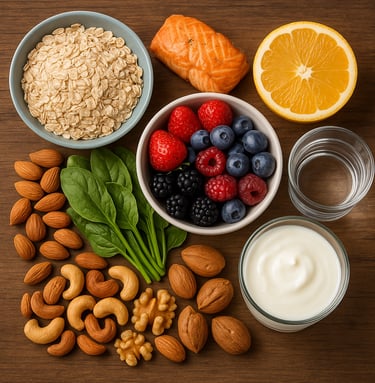
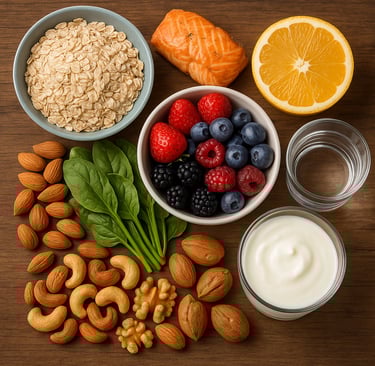
Anti-Inflammatory Diet: Foods That Fight Inflammation
Discover how an anti-inflammatory diet can prevent chronic diseases, reduce inflammation in the body, and improve your quality of life with natural and scientifically proven foods.
What Is Inflammation and Why Does It Matter?
Inflammation is a natural and essential response of our immune system. When you cut your finger or catch a cold, acute inflammation is your ally, helping the body defend itself and heal. The problem arises when this inflammation becomes chronic and silent.
Acute Inflammation vs. Chronic Inflammation
Acute Inflammation: Immediate response to injuries or infections, with visible signs like redness, heat, swelling, and pain. It's temporary and beneficial.
Chronic Inflammation: Persistent, low-grade inflammatory response that can last months or years, often without obvious symptoms. This is what causes the biggest health problems.
Chronic inflammation is like a fire that never completely goes out in your body. Over time, this constant "low flame" damages cells, tissues, and organs, paving the way for a series of serious diseases.
Diseases Associated with Chronic Inflammation
Science has demonstrated increasingly clear connections between chronic inflammation and:
Cardiovascular diseases: Atherosclerosis, heart attack, stroke
Type 2 diabetes: Insulin resistance
Obesity: Adipose tissue produces inflammatory substances
Cancer: Various types, including colorectal, breast, and prostate
Autoimmune diseases: Rheumatoid arthritis, lupus, psoriasis
Neurodegenerative diseases: Alzheimer's, Parkinson's
Depression and anxiety: Inflammation-brain connection
Metabolic syndrome: Set of risk factors
Accelerated aging: Inflammation is linked to cellular aging process
Signs That Your Body May Be Inflamed
Chronic inflammation isn't always obvious, but some signs can alert you:
Persistent fatigue and lack of energy
Recurrent joint or muscle pain
Digestive problems (gas, bloating, constipation, diarrhea)
Unexplained weight gain or difficulty losing weight
Acne, eczema, or other skin problems
Frequent allergies
Recurrent headaches
Insomnia or non-restorative sleep
Mood changes, anxiety, or depression
Frequent infections (low immunity)
Fluid retention and swelling
If you identified with several of these symptoms, an anti-inflammatory diet can make a significant difference.
What Is the Anti-Inflammatory Diet?
The anti-inflammatory diet is not a restrictive regimen with rigid rules, but rather an eating style based on intelligent and scientifically-based choices. The goal is to consume foods that naturally fight inflammation while avoiding those that promote it.
It's strongly inspired by the Mediterranean Diet, recognized worldwide for its cardiovascular health and longevity benefits. The focus is on whole foods, minimally processed, rich in antioxidants, fiber, and healthy fats.
How Do Foods Fight Inflammation?
Anti-inflammatory foods work in several ways:
Reduction of free radicals: Antioxidants neutralize unstable molecules that damage cells and promote inflammation.
Inhibition of pro-inflammatory enzymes: Certain compounds block enzymes that trigger inflammatory processes.
Immune system modulation: Some nutrients help regulate immune response, avoiding exaggerated reactions.
Improvement of gut microbiota: Fiber and prebiotics feed beneficial bacteria that produce anti-inflammatory compounds.
Hormonal regulation: Healthy fats help in the production of anti-inflammatory hormones.
The Pillars of Anti-Inflammatory Eating
1. Omega-3 Rich Fish
Omega-3 fatty acids, especially EPA and DHA, are among nature's most potent anti-inflammatories.
Best sources:
Salmon (preferably wild): Rich in EPA and DHA
Sardines: Excellent and economical option
Tuna: Fresh or canned
Mackerel: Abundant in omega-3
Herring: Traditional in some regions
Recommendation: Consume at least 2-3 servings per week.
Preparation tip: Grilled, baked, or steamed better preserves omega-3s. Avoid frying that can oxidize beneficial fats.
2. Colorful Fruits and Vegetables
The more colors on your plate, the better! Each pigment represents different antioxidant and anti-inflammatory compounds.
Red and purple fruits:
Blueberries: Champions in anthocyanins
Strawberries: Rich in vitamin C and polyphenols
Raspberries: Fiber and antioxidants
Blackberries: Fight free radicals
Cherries: Reduce inflammatory markers
Açaí: Brazilian anti-inflammatory superfruit
Citrus fruits:
Orange: Vitamin C and hesperidin
Lemon: Alkalizing and antioxidant
Tangerine: Anti-inflammatory flavonoids
Kiwi: Abundant vitamin C
Other powerful fruits:
Pineapple: Bromelain (anti-inflammatory enzyme)
Avocado: Monounsaturated fats and phytosterols
Grapes: Resveratrol (especially dark ones)
Apple: Quercetin and fiber
Papaya: Papain and carotenoids
Pomegranate: Punicalagins (potent antioxidants)
Cruciferous vegetables:
Broccoli: Sulforaphane (anti-inflammatory and anticancer)
Cauliflower: Sulfur-sulfur compounds
Kale: Vitamins K, A, and C
Cabbage: Glucosinolates
Brussels sprouts: Concentrated antioxidants
Dark green leafy vegetables:
Spinach: Vitamins A, C, E, K and magnesium
Kale: Super nutritious and anti-inflammatory
Arugula: Nitrates that improve circulation
Swiss chard: Rich in betalains
Watercress: Sulfur compounds
Other essential vegetables:
Beets: Betalains and nitrates
Carrots: Beta-carotene
Pumpkin: Carotenoids and fiber
Bell peppers: Vitamin C and carotenoids
Tomato: Lycopene (especially when cooked)
Goal: Fill half your plate with vegetables at each meal!
3. Spices and Herbs: The Anti-Inflammatory Superheroes
Turmeric (Curcuma)
The undisputed star! Curcumin, its active principle, has properties comparable to anti-inflammatory medications.
How to use:
Add to soups, stir-fries, rice
Mix into golden milk
Use in marinades and sauces
Secret: Always combine with black pepper, which increases curcumin absorption by up to 2000%! Adding healthy fat (olive oil, coconut oil) also improves absorption.
Ginger
Contains gingerol, a powerful anti-inflammatory and antioxidant compound.
Benefits:
Reduces muscle and joint pain
Improves nausea and digestion
Strengthens immune system
How to use:
Fresh ginger tea
Grated in juices and smoothies
In stir-fries and sautés
Crystallized as snack
Garlic
Rich in allicin, compound with anti-inflammatory, antibacterial, and antiviral properties.
Important tip: Chop garlic and let it rest 10 minutes before cooking. This activates allicin and preserves its benefits.
Cinnamon
Besides delicious, helps regulate blood sugar and fights inflammation.
How to use:
Sprinkle on fruits, oats, yogurt
Add to coffee or tea
Use in sweet and savory recipes
Other powerful spices:
Cayenne pepper: Anti-inflammatory capsaicin
Oregano: Carvacrol and thymol
Rosemary: Rosmarinic acid
Thyme: Antioxidant thymol
Clove: Potent eugenol
Cardamom: Digestive anti-inflammatory
4. Nuts and Seeds
Walnuts: Champions in plant omega-3 (ALA), improve brain and cardiovascular function. One handful (30g) daily is ideal.
Almonds: Vitamin E, magnesium, and fiber. Excellent for skin and bones.
Brazil nuts: Just 2 units provide enough selenium for the day. Selenium is crucial for thyroid and antioxidant function.
Pistachios: Fiber, proteins, and antioxidants. Helps control blood sugar.
Chia seeds: Rich in omega-3, fiber, and proteins. Form gel that promotes satiety.
Flaxseeds: Should be consumed ground. Rich in lignans (anti-cancer compounds) and omega-3.
Pumpkin seeds: Zinc, magnesium, and antioxidants. Prostate health allies.
Sesame and tahini: Calcium, sesamin, and anti-inflammatory lignans.
Consumption tip: Store in cool, dark place. Ground seeds should be refrigerated to avoid oxidation.
5. Extra-Virgin Olive Oil
One of the Mediterranean diet pillars, olive oil contains oleocanthal, compound that acts similarly to ibuprofen.
How to choose:
Prefer extra-virgin (first cold pressing)
Dark packaging (protects from light)
Recent harvest date
Reliable origin
How to use:
Cold on salads (preserves all compounds)
Finishing hot dishes
Can be used for cooking at moderate temperature
Recommended amount: 2-3 tablespoons per day.
6. Whole Grains
Rich in fiber that feeds beneficial intestinal bacteria, producers of anti-inflammatory compounds.
Best options:
Oats: Beta-glucan that reduces cholesterol and inflammation
Quinoa: Complete protein and gluten-free
Brown rice: Fiber and minerals
Buckwheat: Gluten-free, rich in rutin
Amaranth: Proteins and calcium
Rye: Soluble fiber
Barley: Beta-glucans
Avoid: Refined grains (white flour, white rice) that cause blood sugar spikes and promote inflammation.
7. Legumes
Beans, lentils, chickpeas, peas: Rich in fiber, plant proteins, folate, and anti-inflammatory polyphenols.
Tip: Soak for a few hours before cooking to reduce anti-nutrients and improve digestion.
8. Anti-Inflammatory Teas
Green tea: Catechins (especially EGCG) with powerful antioxidant and anti-inflammatory action.
Hibiscus tea: Reduces blood pressure and inflammation.
Ginger tea: Relieves pain and improves digestion.
Turmeric tea: Curcumin in liquid form.
Chamomile tea: Calming and digestive anti-inflammatory.
Foods That Promote Inflammation: What to Avoid
Just as important as knowing what to eat is understanding what to avoid.
1. Refined and Added Sugars
Why they're inflammatory:
Cause blood sugar and insulin spikes
Promote glycation (cellular aging)
Feed cancer cells
Negatively alter microbiota
Where they hide:
Soft drinks and industrial juices
Sweets, cakes, cookies
Ice cream and desserts
Sugary breakfast cereals
Ready-made sauces (ketchup, BBQ)
Sweetened yogurts
Alternatives: Fresh fruits, raw honey (moderation), stevia, dates
2. Refined Carbohydrates
Inflammatory:
White bread
White pasta
White rice
White dough pizza
Bakery products in general
Anti-inflammatory substitutions:
Real whole grain breads (visible grains)
Whole grain or chickpea pasta
Brown, black, or wild rice
Sweet potato, cassava, yam
3. Trans Fats and Excess Saturated Fats
Trans fats (completely avoidable):
Margarines
Commercially fried foods
Industrial bakery products
Industrial creamy ice creams
Microwave popcorn
Saturated fats (moderate):
Fatty red meats in excess
Processed meats (sausage, hot dog, salami)
Bacon
Butter in excess
Fatty yellow cheeses
Attention: No need to completely eliminate saturated fats, but consume them in moderation and balance with healthy fats.
4. Processed Meats
Ham, turkey breast, mortadella, hot dogs, sausages, bacon, salami - all contain nitrates, nitrites, excess sodium, and pro-inflammatory compounds formed in processing.
Substitutions:
Homemade sliced grilled chicken
Natural tuna
Hard-boiled eggs
Chickpea or lentil spreads
5. Refined Vegetable Oils
Rich in excess omega-6 (imbalance with omega-3):
Soybean oil
Corn oil
Sunflower oil
Canola oil (in excess)
Better options:
Extra-virgin olive oil
Avocado oil
Coconut oil (moderation)
Ghee (clarified butter)
6. Excess Alcohol
Moderate consumption (1 glass of red wine occasionally) may have anti-inflammatory effects from resveratrol. However, excess alcohol:
Increases intestinal permeability
Overloads liver
Promotes systemic inflammation
Interferes with sleep and recovery
7. Fast Food and Ultra-Processed Foods
Combine the worst of both worlds: bad fats, sugars, excess salt, chemical additives, and very few nutrients.
7-Day Anti-Inflammatory Menu
Monday: Focus on Omega-3
Breakfast:
Overnight oats with chia, berries, and walnuts
Green tea
Morning snack:
1 apple with 1 tbsp almond butter
Lunch:
Green leaf salad with avocado and olive oil
Grilled salmon with herbs
Quinoa with sautéed vegetables
Steamed broccoli
Afternoon snack:
Açaí smoothie with banana and flaxseed
Dinner:
Lentil soup with turmeric and ginger
Grated beet salad with olive oil
Tuesday: Colorful Day
Breakfast:
Natural yogurt with berries, oats, and cinnamon
Coffee or tea
Morning snack:
Baby carrots with hummus
Lunch:
Rainbow salad (leaves, tomato, carrot, beet, red cabbage)
Chicken breast with curry and turmeric
Brown rice
Roasted pumpkin
Afternoon snack:
Brazil nuts and grapes
Dinner:
Omelet with spinach and tomato
Green salad with olive oil
Wednesday: Intensive Anti-Inflammatory
Breakfast:
Golden milk (plant milk, turmeric, ginger, cinnamon, honey)
Whole grain bread with mashed avocado
Morning snack:
Fresh strawberries
Lunch:
Massaged kale salad with lemon
Baked sardines with garlic and herbs
Baked sweet potato
Gratinated cauliflower
Afternoon snack:
Ginger tea with almonds
Dinner:
Roasted vegetable bowl with chickpeas
Tahini sauce with garlic and lemon
Thursday: Natural Energy
Breakfast:
Green smoothie (spinach, pineapple, ginger, chia)
Whole grain toast with peanut butter
Morning snack:
Kiwi
Lunch:
Mediterranean salad (tomato, cucumber, olive, white cheese)
Seared tuna with sesame crust
Black rice
Grilled asparagus
Afternoon snack:
70% dark chocolate and walnuts
Dinner:
Pumpkin soup with ginger
Arugula salad with walnuts
Friday: Healthy Comfort
Breakfast:
Oat and banana pancakes
Berries on top
Chamomile tea
Morning snack:
Pistachios
Lunch:
Caprese salad (tomato, basil, olive oil)
Roasted chicken with rosemary and garlic
Sweet potato mash
Sautéed broccoli in olive oil
Afternoon snack:
Yogurt with homemade granola
Dinner:
Chickpea burger
Varied green salad
Saturday: Experimentation Day
Breakfast:
Tapioca filled with scrambled eggs and spinach
Fresh orange juice
Morning snack:
Avocado with cocoa powder
Lunch:
Tropical salad (mango, avocado, leaves)
White fish with passion fruit sauce
Brown rice with turmeric
Varied grilled vegetables
Afternoon snack:
Kombucha and nuts
Dinner:
Whole grain pizza with vegetables
Arugula salad
Sunday: Balance
Breakfast:
Scrambled eggs with tomato and basil
Whole grain bread
Avocado
Green tea
Morning snack:
Watermelon
Lunch:
Light feijoada (black beans, lean meats)
Brown rice
Sautéed kale with garlic
Orange for dessert
Afternoon snack:
Homemade whole grain banana cake
Dinner:
Varied vegetable soup
Whole grain toast
Practical Tips for Implementation
1. Start Gradually
Don't try to change everything at once. Choose 2-3 changes per week:
Week 1: Add fish 2x per week
Week 2: Switch white bread for whole grain
Week 3: Include anti-inflammatory spices
Week 4: Increase vegetables to half the plate
2. Plan Your Meals
Set aside weekly time to:
Plan week's menu
Make shopping list
Prepare bases (cooked grains, cut vegetables)
Always have healthy snacks on hand
3. Read Labels
Learn to identify hidden sugars, trans fats, and excess additives. The shorter the ingredient list and the more recognizable they are, the better!
4. Cook More at Home
This way you control ingredients, seasonings, and preparation methods. Doesn't need to be complicated - simple meals are often the most anti-inflammatory.
5. Hydrate Adequately
Water is essential for all anti-inflammatory processes in the body. Drink at least 2 liters per day.
6. Combine with Other Healthy Habits
Regular physical exercise: Reduces systemic inflammation
Quality sleep: Essential for recovery and inflammatory reduction
Stress management: Elevated cortisol promotes inflammation
Don't smoke: Smoking is extremely pro-inflammatory
Anti-Inflammatory Supplements: When to Consider?
Although foods should always be the priority, some supplements can help:
Omega-3 (EPA/DHA): For those who don't regularly consume fish (2-3g/day)
Turmeric/Curcumin: Standardized extracts with piperine (500-1000mg/day)
Vitamin D: Deficiency is common and linked to inflammation (check levels)
Magnesium: Anti-inflammatory and important for over 300 reactions in body
Probiotics: Improve microbiota and reduce intestinal inflammation
Important: Consult a professional before starting supplementation. Tests can identify your specific needs.
When to Consult a Professional
Seek guidance from a nutritionist or doctor if:
You have diagnosed inflammatory diseases (arthritis, Crohn's, etc.)
Symptoms persist despite dietary changes
Need individualized plan for specific conditions
Want guidance on supplementation
Have questions about interactions with medications
Want to monitor inflammatory markers (CRP, IL-6)
Conclusion: Small Changes, Big Results
The anti-inflammatory diet is not an instant magic solution, but a sustainable and scientifically proven approach to reduce chronic inflammation, prevent diseases, and improve your quality of life.
You don't need to be perfect. Focus on the 80/20 rule: if 80% of your food choices are anti-inflammatory, you're already on the right path. The remaining 20% can include flexibility and pleasure - after all, excessive stress about food is also inflammatory!
The benefits go beyond reducing inflammation. You'll probably notice more energy, better sleep, healthier skin, improved digestion, more stable mood, and over time, reduced risk of chronic diseases.
Remember: every meal is an opportunity to nourish or inflame your body. The choice is in your hands - literally, on your fork!
Start today! Choose one change from this list and implement it this week. Share in the comments what will be your first anti-inflammatory action!
This article has an informative and educational character. For personalized guidance on specific inflammatory conditions or individualized nutritional planning, consult a nutritionist or doctor.
Tags: anti-inflammatory diet, anti-inflammatory eating, chronic inflammation, anti-inflammatory foods, disease prevention, cardiovascular health, omega-3, turmeric, nutrition, wellness, chronic diseases, immunity, gut health, antioxidants