

Collagen: The Complete Guide to 2025's Most Popular Supplement
Discover everything about collagen: types (I, II, III), hydrolyzed collagen vs. peptides, science-backed benefits, how to take it, ideal dosage, and whether it actually works. Evidence-based guide.
1/7/20268 min read
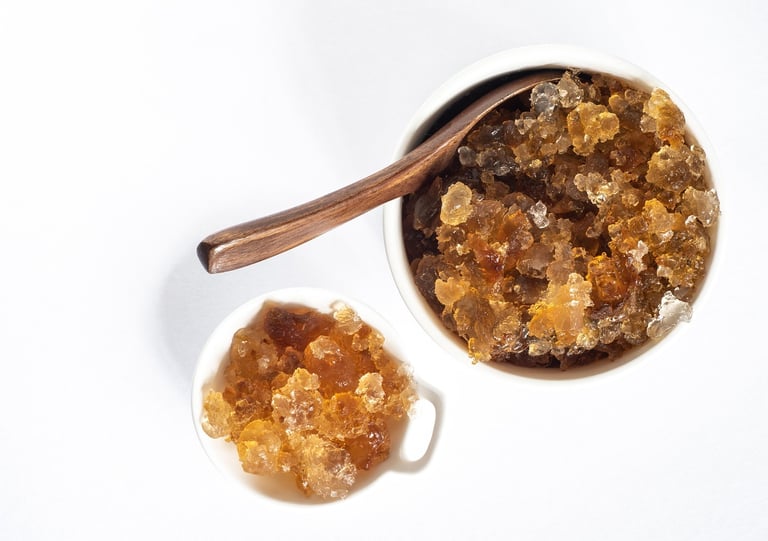
Collagen: The Complete Guide to 2025's Most Popular Supplement
Discover everything about collagen: types (I, II, III), hydrolyzed collagen vs. peptides, science-backed benefits, how to take it, ideal dosage, and whether it actually works. Evidence-based guide.
Does Collagen Actually Work? Science Answers
If you've walked into a pharmacy, browsed social media, or chatted with friends in recent years, you've certainly heard about collagen. The supplement that promises firm skin, shiny hair, strong nails, and healthy joints has become a worldwide phenomenon, moving billions of dollars annually.
But among so many promises and products on the market, legitimate questions arise:
Does collagen really work or is it just marketing?
What's the difference between hydrolyzed collagen, peptides, and type II collagen?
How do you choose the best product?
How much to take and when will you see results?
Is the investment worth it?
In this complete guide based on 2025 scientific evidence, you'll discover everything you need to know about collagen, from its biochemistry to practical usage tips.
Get ready to finally understand whether this supplement deserves a place in your routine or not.
What Is Collagen? Understanding the Body's Most Abundant Protein
Definition and Importance
Collagen is the most abundant structural protein in the human body, representing approximately 30% of all proteins in the organism. It's the main component of connective tissue, providing structure, strength, and elasticity.
Where collagen is present:
Skin (70% of composition)
Bones (90% of organic matrix)
Cartilage
Tendons and ligaments
Muscles
Blood vessels
Cornea
Teeth and gums
Intestinal wall
Chemical Composition
Collagen is formed by a unique structure of three polypeptide chains intertwined in a triple helix, composed mainly of three amino acids:
Glycine (33%): The smallest amino acid, allows compaction of the triple helix
Proline (12%): Stabilizes the structure
Hydroxyproline (10%): Exclusive to collagen, essential for stability
Other amino acids: Alanine, lysine, hydroxylysine
The Natural Decline of Collagen
Starting at age 25, our body begins to produce less collagen and degrade more of what exists:
Annual reduction:
1-2% loss per year
At 40: about 25% less collagen
At 60: up to 50% reduction
Visible consequences:
Wrinkles and loss of skin firmness
More fragile hair and nails
Joint pain and stiffness
Loss of bone density
Sagging and loss of muscle tone
Factors that accelerate loss:
Excessive sun exposure (UV rays)
Smoking
Excess sugar (glycation)
Oxidative stress
Nutritional deficiencies (vitamin C, copper, zinc)
Sedentary lifestyle
Types of Collagen: Understanding the Differences
There are 28 different types of collagen in the human body, but some are more abundant and important:
Type I Collagen
Abundance: 90% of total body collagen
Where it's found:
Skin
Bones
Tendons
Ligaments
Organs
Blood vessels
What it's for:
Skin structure and firmness
Bone strength
Wound healing
Tendon strength
Supplementation:
Type I hydrolyzed collagen
Bioactive peptides (Verisol®, Genuin®)
Focus: skin, hair, nails, bones
Type II Collagen
Abundance: Main collagen in cartilage
Where it's found:
Articular cartilage
Intervertebral discs
Vitreous humor (eye)
What it's for:
Joint cushioning
Flexibility
Wear prevention
Supplementation:
Non-hydrolyzed type II collagen (UC-II®)
Immunomodulatory action
Focus: joints, arthritis, osteoarthritis
Important: Type II works differently - it acts in the intestine by modulating immune response, not being absorbed to "rebuild" cartilage.
Type III Collagen
Abundance: Second most common
Where it's found:
Skin (together with type I)
Muscles
Blood vessels
Internal organs
What it's for:
Skin elasticity
Organ structure
Vascular support
Supplementation:
Usually comes associated with type I
Both work synergistically
Other Relevant Types
Type IV: Basement membranes, kidney filtration
Type V: Cell surfaces, hair, placenta
Type X: Cartilage in ossification
Hydrolyzed Collagen vs. Collagen Peptides: What's the Difference?
The Confusion of Terms
Scientific truth: Hydrolyzed collagen and collagen peptides are the same thing. It's just a matter of semantics.
"Hydrolyzed collagen": Name based on the process (hydrolysis)
"Collagen peptides": Name based on the final product (peptides)
Just as "wheat flour" and "ground wheat" describe the same product (one by process, the other by result), the terms are interchangeable.
The Hydrolysis Process
Native (original) collagen:
Molecular weight: 285,000-300,000 Daltons (Da)
GIANT molecules
Intact triple helix structure
Difficult to absorb
Hydrolyzed collagen/Peptides:
Denaturation: Breaking of triple helix (heat/acid)
Enzymatic hydrolysis: Enzymes (pepsin, papain, alcalase) break peptide bonds
Result: Small peptides of 3,000-6,000 Da
Benefit: Up to 90% intestinal absorption
Why Is Hydrolysis Important?
Without hydrolysis:
Common collagen powder → low absorption
Most is excreted
Little practical effect
With hydrolysis:
Small peptides → high absorption
Enter bloodstream
Reach target tissues
Proven effects
Bioactive Peptides: The Evolution
Some products go beyond and offer specific bioactive peptides:
Verisol®:
Peptides with specific molecular weight (2,000 Da)
Targeted action for skin
Dosage: 2.5g/day (proven)
Results in 4-8 weeks
Genuin®:
Broader active peptides
Action on skin, joints, bones
Dosage: 8-10g/day
General benefit for connective tissue
Bodybalance®:
Focus on muscle mass
Specific peptide combination
For athletes and elderly
Benefits of Collagen: What Does Science Prove?
1. Skin: Firmness, Hydration, and Wrinkle Reduction
Strong scientific evidence
2021 Meta-analysis (19 studies, 1,125 participants):
Hydrolyzed collagen intake for 90 days
Results:
✓ Significant wrinkle reduction
✓ 12% improvement in skin elasticity
✓ 28% increase in hydration
✓ Increased dermal collagen density
Verisol® Study (2014):
2.5g/day for 8 weeks
20% reduction in wrinkle depth
Effects persist for 4 weeks after stopping
How it works:
Absorbed peptides circulate in blood
Stimulate fibroblasts (skin cells)
Fibroblasts produce more collagen, elastin, and hyaluronic acid
Reduction of metalloproteinases (enzymes that degrade collagen)
2. Joints: Pain Relief and Cartilage Protection
Moderate to strong evidence
Randomized controlled study (2017):
Type II collagen (40mg/day) for 6 months
Patients with knee osteoarthritis
Results:
✓ 40% reduction in pain
✓ 20% improvement in joint function
✓ Lower use of painkillers
Type I collagen (10g/day):
Improved flexibility
Reduced morning stiffness
Faster post-exercise recovery
Mechanism:
Type II: immunomodulatory action, reduces joint inflammation
Type I: provides amino acids for cartilage repair
3. Bones: Density and Osteoporosis Prevention
Promising evidence
12-month study (2018):
Postmenopausal women
5g collagen/day + calcium + vitamin D
Results:
✓ Increased bone mineral density
✓ Improved bone formation markers
✓ Reduced bone resorption markers
How it works:
Bones are 90% collagen + minerals (calcium, phosphorus)
Collagen provides "framework" where minerals deposit
Stimulates osteoblasts (bone-forming cells)
4. Hair and Nails: Growth and Strengthening
Moderate evidence
24-week study:
Collagen peptides (2.5g/day)
Results:
✓ 12% increase in nail growth
✓ 42% reduction in nail breakage
✓ 64% improvement in brittleness
Hair:
Evidence mainly anecdotal
Provides amino acids (proline, glycine) for keratin synthesis
Improves scalp circulation
5. Muscles: Mass and Recovery
Emerging evidence
Study with elderly (2019):
15g collagen + resistance training
12 weeks
Results:
✓ Greater muscle mass gain
✓ Greater fat loss
✓ Strength improvement
Mechanism:
Provides amino acids for protein synthesis
Glycine improves endogenous creatine
Support for muscle connective tissue
6. Intestinal Health
Initial evidence
Glycine and glutamine (from collagen) help repair intestinal mucosa
Possible benefit in "leaky gut"
Reduced intestinal inflammation
Attention: More studies are needed
How to Take Collagen: Dosage, Timing, and Combinations
Effective Dosage by Goal
Skin, hair, nails:
Type I hydrolyzed collagen: 10g/day
Or Verisol®: 2.5g/day
Or Genuin®: 8-10g/day
Joints:
Non-hydrolyzed type II collagen (UC-II®): 40mg/day
Or type I hydrolyzed collagen: 10-15g/day
Bones:
Type I collagen: 5-10g/day
Always combine with calcium (800-1000mg) and vitamin D (1000-2000 IU)
Muscles (athletes, elderly):
Collagen + essential amino acids: 15-20g/day
Preferably post-workout
Best Time to Take
There's no "magic" hour, but consider:
Fasting (morning):
✓ Maximum absorption (empty stomach)
✓ Less competition with other proteins
Recommended for skin
Before bed:
✓ Nighttime regeneration
✓ Elevated growth hormone (favors synthesis)
Recommended for joints/bones
Post-workout:
✓ Elevated protein synthesis
✓ Muscle recovery
Recommended for athletes
Consistency > Perfect timing
Synergistic Combinations (Enhance Effects)
For skin:
Collagen + Vitamin C (1000mg): Essential for collagen synthesis
Collagen + Hyaluronic acid (100-200mg): Extra hydration
Collagen + Vitamin E (400 IU): Antioxidant, protects collagen
For joints:
Type II collagen + Turmeric (500-1000mg): Anti-inflammatory
Collagen + Glucosamine and chondroitin: Cartilage support
For bones:
Collagen + Calcium (800-1000mg): Mineralization
Collagen + Vitamin D (1000-2000 IU): Calcium absorption
Collagen + Magnesium (300-400mg): Bone metabolism
Collagen + Vitamin K2 (100-200mcg): Directs calcium to bones
For absorption:
Always take with vitamin C (minimum 100mg)
How to Consume
Collagen powder:
Dissolve in cold or warm liquid (<140°F)
Don't boil (denatures peptides)
Options: water, juice, coffee, tea, smoothie, yogurt
Capsules:
Convenient, but smaller dosages
Usually needs several capsules for effective dose
Liquid (shots):
Fast absorption
Usually more expensive
How to Choose the Best Collagen: Practical Guide
1. Type of Collagen
For skin, hair, nails, bones:
Type I collagen (or I+III)
Hydrolyzed or peptides
For joints:
Non-hydrolyzed type II collagen (UC-II®)
Or hydrolyzed type I (different action, but also benefits)
2. Degree of Hydrolysis
Look for:
"Hydrolyzed collagen" or "Collagen peptides"
Molecular weight: 2,000-6,000 Da (ideal)
Avoid:
"Collagen powder" without specifying hydrolysis
Common gelatin (not the same thing!)
3. Origin of Collagen
Bovine:
Most common
Types I and III
Good cost-benefit
Porcine:
Similar to bovine
Good absorption
Marine (fish):
Usually type I
Lower molecular weight (better absorption?)
More expensive
Note: Superior benefits not proven vs. bovine
Attention vegans: There's no such thing as plant collagen! Collagen comes only from animals. Alternative: supplement precursors (vitamin C, proline, glycine, lysine).
4. Purity and Composition
Read the label:
Good: Hydrolyzed collagen as only/main ingredient
Even better: + Vitamin C (essential!)
Watch out for: Excess additives, dyes, flavorings, sugar
5. Recognized Brands and Technologies
Patented peptides (more expensive, but with studies):
Verisol®: Skin (2.5g/day)
Genuin®: Skin and general connective tissue (8-10g/day)
Peptan®: Multiple applications
UC-II®: Joints (40mg/day)
Bodybalance®: Muscle mass
Verify:
FDA registration / Health authority approval
Quality seal
Third-party testing
6. Cost-Benefit
Calculate cost per gram of collagen, not per package!
Example:
Product A: $40 for 300g = $0.13/g
Product B: $30 for 200g = $0.15/g
Product A is cheaper, despite higher price
Generally:
Bovine collagen: $0.10-0.20/g
Marine collagen: $0.25-0.50/g
Patented peptides: $0.30-0.75/g
How Long to See Results?
Realistic Timeline
Skin:
4-8 weeks: Improved hydration
8-12 weeks: Reduction of fine lines, improved elasticity
3-6 months: More visible and consistent results
Joints:
4-6 weeks: Initial pain reduction
3 months: Significant mobility improvement
6 months: Maximum results
Nails:
4 weeks: Less breakage
6-8 weeks: Faster growth
3 months: Visibly stronger nails
Hair:
2-3 months: Possible improvement (hair growth is slow)
More subtle results than skin/nails
Bones:
6-12 months: Density improvement (assessed by exam)
Long-term preventive benefit
Important: Results are gradual. Patience and consistency are fundamental!
Side Effects and Contraindications
Possible Side Effects (Rare)
Digestive:
Feeling of gastric fullness
Mild nausea
Diarrhea (usually at very high doses)
Unpleasant aftertaste
Solution: Start with lower dose, increase gradually
Allergic:
Allergic reactions (if allergic to source: beef, fish, etc.)
Itching, hives
Contraindications
Should not use without medical guidance:
❌ Pregnant and breastfeeding women: Lack of safety studies ❌ Children: No need and lack of studies ❌ Allergic individuals: To collagen source (bovine, fish, etc.) ❌ Kidney disease: Excess protein can overload kidneys ❌ Hypercalcemia: If taking collagen + too much calcium
General Safety
Collagen is considered safe:
Studies of up to 24 months without adverse effects
Well tolerated by most
Doesn't interact with common medications
But always:
Consult doctor/nutritionist before
Especially if you have health conditions
Myths and Truths About Collagen
Myth 1: "Oral collagen becomes collagen directly in the skin"
MYTH!
Truth: Collagen is digested into amino acids and small peptides. These peptides circulate through the body and stimulate cells (fibroblasts) to produce NEW collagen.
Myth 2: "Marine collagen is far superior to bovine"
Partially myth
Truth: Marine collagen has slightly lower molecular weight, but studies don't show significantly superior benefits. Both are effective when properly hydrolyzed. Marine is usually more expensive.
Myth 3: "Pregnant women should take collagen"
MYTH!
Truth: There are no safety studies in pregnant women. As a precaution, avoid.
Myth 4: "Any collagen works the same"
MYTH!
Truth: NON-hydrolyzed collagen has very low absorption. Type and degree of hydrolysis make a difference. Dosage also matters.
Myth 5: "Collagen makes you gain weight"
MYTH!
Truth: Collagen is protein (4 kcal/g). 10g = 40 kcal. It's unlikely to cause weight gain. Be careful with sweetened products!
Myth 6: "I can replace collagen with gelatin"
Partially true
Truth: Gelatin is partially hydrolyzed collagen. It has similar amino acids, but lower absorption than hydrolyzed collagen. For maximum effects, prefer hydrolyzed collagen.
Truth 1: "Vitamin C is essential for collagen to work"
TRUTH!
Vitamin C is an essential cofactor in collagen synthesis. Without it, collagen is not formed properly. Always combine!
Truth 2: "Results take time"
TRUTH!
Collagen isn't magic. It takes weeks to months to see results. It's a long-term supplement.
Truth 3: "Sun exposure degrades collagen"
TRUTH!
UV rays are the main villains of skin aging, degrading collagen. Always use sunscreen!
Foods Rich in Collagen and Precursors
Foods Source of Collagen
1. Bone broth:
The richest source
Cook beef, chicken, or fish bones for hours
Rich in collagen, glycine, proline
2. Gelatin:
Partially hydrolyzed collagen
Desserts, mousses
3. Chicken and fish skin:
Rich in type I collagen
Consume cooked
4. Meats with cartilage:
Oxtail, shanks
Rich in type II collagen
Foods That Stimulate Collagen Production
Vitamin C (essential!):
Orange, lemon, acerola
Kiwi, strawberry
Bell pepper, broccoli
Proline and glycine:
Meats, eggs, dairy
Legumes
Lysine:
Meats, fish
Legumes
Copper:
Nuts, cocoa
Liver
Zinc:
Red meats
Pumpkin seeds
Sulfur:
Garlic, onion
Cruciferous (broccoli, kale)
Foods That DESTROY Collagen
❌ Excess sugar: Glycation damages collagen ❌ Ultra-processed foods: Inflammation ❌ Excess alcohol: Dehydrates, inflames ❌ Trans fats: Chronic inflammation
Conclusion: Is Collagen Supplementation Worth It?
Who Should Consider It?
✓ People 30+: Natural production is already declining ✓ Concerned about skin aging: Strong evidence ✓ Joint pain: Especially type II ✓ Athletes: Recovery and joint support ✓ Osteopenia/osteoporosis: Together with calcium and vitamin D ✓ Brittle hair and nails: Moderate evidence
Who Shouldn't Prioritize It
⚠ Under 25 years: Natural production is excellent ⚠ Very limited budget: Prioritize diverse diet ⚠ Expecting "quick miracle": Results take time
Final Verdict
Hydrolyzed collagen WORKS, especially for:
Skin (strong evidence)
Joints (moderate to strong evidence)
Bones (promising evidence)
BUT:
It's not miraculous
Requires consistency (minimum 3 months)
Must be accompanied by:
Daily sunscreen
Balanced diet
Adequate vitamin C
Hydration
Quality sleep
If you:
Are 30+ years old
Can invest $30-75/month
Are willing to take it for at least 3-6 months
Have realistic expectations
Then yes, it's worth trying!
Your challenge: If you decide to supplement, take "before" photos and track for 12 weeks. Document changes in skin, nails, and joint well-being. Share your experience in the comments!
Want more science-based content on supplementation and nutrition? Subscribe to our newsletter and receive exclusive guides, study analyses, and practical tips!
This article is informative and educational in nature. Consult a doctor or nutritionist before starting any supplementation, especially if you have pre-existing health conditions or use medications.
Tags: collagen, hydrolyzed collagen, collagen peptides, skin supplement, anti-aging, type 1 collagen, type 2 collagen, joints, wrinkles, skin firmness, bone health, how to take collagen, does collagen work, collagen benefits, verisol, best collagen