

Functional Foods Explained: The Secret to Better Immunity and Digestion
Find out how functional foods work, why they matter for gut health and immunity, and how to easily incorporate probiotics, prebiotics, and superfoods into your lifestyle
Redação Saudenamesa.com
11/27/20258 min read
What Are Functional Foods?
Functional foods are those that, in addition to providing basic nutrients, offer proven additional health benefits. They go beyond traditional nutrition, acting in disease prevention, immune system strengthening, and quality of life improvement.
The difference lies in the "something extra" they deliver. While a common apple provides vitamins and fiber, functional foods like kefir or turmeric bring specific bioactive components that interact with our body in surprising ways.
The Science Behind Functional Foods
The bioactive compounds present in these foods include:
Probiotics: Live microorganisms that benefit intestinal health
Prebiotics: Fibers that feed the good bacteria in the gut
Antioxidants: Fight free radicals and cellular aging
Phytochemicals: Plant compounds with therapeutic properties
Essential fatty acids: Like omega-3, fundamental for brain and heart
Soluble fibers: Regulate cholesterol and blood sugar
The great news is that the functional foods market is growing rapidly in Brazil, with more accessible options appearing on supermarket shelves. More and more Brazilians are discovering the power of these foods to transform health.
Probiotics: The Guardians of Your Gut
Probiotics are live microorganisms that, when consumed in adequate amounts, bring health benefits. They're fundamental for maintaining the balance of our intestinal microbiota - that ecosystem of trillions of bacteria living in our digestive system.
Why Are Probiotics So Important?
Immune System Strengthening: About 70% of our immune system is in the gut. Probiotics help strengthen this first line of defense against diseases.
Digestive Health: Aid in digestion, reduce gas, bloating, and constipation. Especially useful after antibiotic use, which eliminates good bacteria along with bad.
Mental Health: There's a direct connection between gut and brain (the famous gut-brain axis). Studies show probiotics can help in serotonin production and reduce anxiety and depression symptoms.
Nutrient Absorption: Improve the body's ability to absorb vitamins and minerals from food.
Weight Control: Some probiotic strains are associated with better metabolism regulation and abdominal fat reduction.
Main Sources of Probiotics
Natural Yogurt
The classic favorite! Look for versions without added sugar and with active live cultures. Check the label for Lactobacillus and Bifidobacterium.
Kefir
Considered the "king of probiotics," kefir contains much more variety of bacterial strains than yogurt. Can be made with milk or water, being an excellent option for lactose intolerant (fermentation drastically reduces lactose content).
Kombucha
Fermented tea beverage, lightly effervescent and refreshing. Rich in probiotics and antioxidants. Attention: choose versions with low sugar content.
Sauerkraut
Fermented cabbage, traditional in German cuisine. Rich in probiotics, vitamin C, and fiber. Important: pasteurized sauerkraut loses probiotics, so prefer refrigerated versions or make at home.
Kimchi
The Korean version of sauerkraut, spicier and aromatic. Made with fermented vegetables, garlic, ginger, and pepper. An explosion of flavor and health!
Miso
Fermented soybean paste, base of traditional Japanese soup. Rich in probiotics and proteins. Use to season soups, sauces, and marinades.
Tempeh
Made from fermented soybeans in compact blocks. Excellent source of plant protein and probiotics, with firm texture ideal for grilling or sautéing.
Naturally Fermented Pickles
Don't confuse with vinegar pickles! Naturally fermented ones (in brine) contain live probiotics.
How to Consume Probiotics Correctly
Variety is fundamental: Different strains bring different benefits. Vary your sources!
Consistency counts: Better to consume a little every day than a lot occasionally
Beware of heat: Probiotics are heat-sensitive. Add fermented foods at end of preparations
Combine with prebiotics: This duo turbocharges results (see more below)
Gradual is better: If you're not used to it, start with small amounts to avoid digestive discomfort
Prebiotics: The Food of Probiotics
If probiotics are the "good bacteria," prebiotics are their food. They're specific types of fiber we can't digest, but that serve as fuel for our intestinal microbiota.
Why Are Prebiotics Essential?
It's no use consuming probiotics if you don't feed these bacteria properly. Prebiotics ensure beneficial microorganisms thrive and multiply in your gut.
Main Sources of Prebiotics
Garlic and Onion
Rich in inulin and fructooligosaccharides (FOS). Besides seasoning, they feed your good bacteria!
Green Banana
Contains resistant starch, a powerful prebiotic. Green banana biomass is versatile and can be added to smoothies and recipes.
Oats
Rich in beta-glucan, a prebiotic fiber that also helps reduce cholesterol.
Leeks and Asparagus
Excellent sources of inulin. Delicious grilled or in soups.
Chicory Root
One of the richest sources of inulin. Can be consumed as tea or chicory coffee.
Artichoke
Rich in inulin and other prebiotics. Besides tasty, great for liver health.
Sweet Potato
Source of resistant starch, especially when cooked and cooled.
Apple
Apple pectin acts as prebiotic, feeding beneficial bacteria.
The Unbeatable Duo: Synbiotics
When you combine probiotics + prebiotics in the same meal, you create a synbiotic effect. Delicious examples:
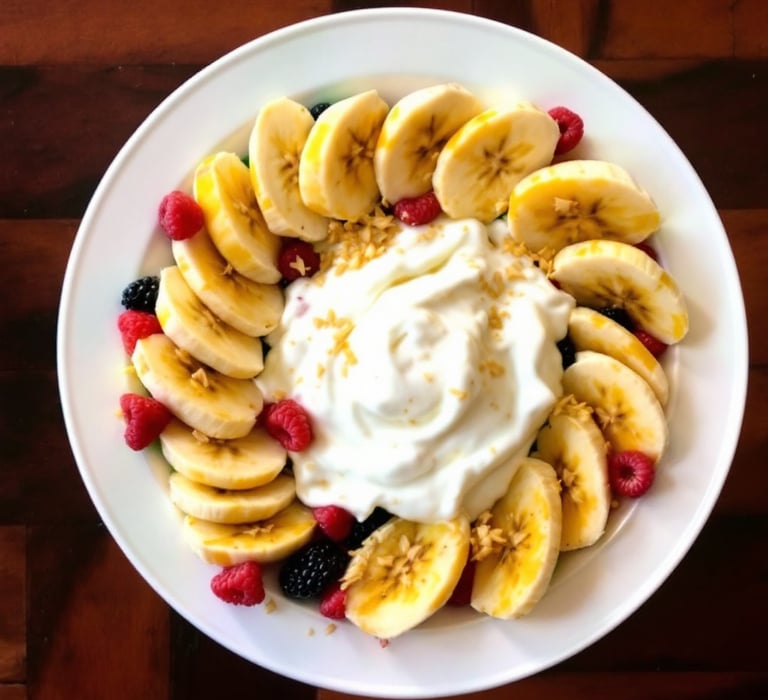
Natural yogurt with oats and banana
Kefir smoothie with green banana
Salad with asparagus and miso in dressing
Leek soup with tempeh
Superfoods: The Nutritional Champions
Superfoods are natural foods with exceptionally high nutritional density. Although the term is more marketing than science, these foods really stand out for their concentrated content of vitamins, minerals, antioxidants, and bioactive compounds.
Brazilian Superfoods
Açaí
Rich in anthocyanins (potent antioxidants), fiber, and healthy fats. Provides sustained energy and fights cellular aging.
Brazil Nuts
Just 2 units per day provide all selenium needs, essential mineral for thyroid and immune system. Rich in healthy fats and vitamin E.
Cacao
One of the most antioxidant-rich foods on the planet. Improves mood, brain function, and cardiovascular health. Prefer versions with 70% cocoa or more.
Camu-camu
Amazonian fruit with 50 times more vitamin C than orange! Powerful antioxidant and immune system strengthener.
Guarana
Natural source of caffeine and antioxidants. Improves focus, energy, and may aid metabolism.
Cupuaçu
Amazonian fruit rich in vitamins B1, B2, B3, fiber, and antioxidants. Excellent for skin health and immunity.
Global Superfoods Available in Brazil
Spirulina and Chlorella
Algae rich in proteins (60-70%), vitamins, minerals, and chlorophyll. Potent natural detoxifiers and energizers.
Chia Seeds
Champions in plant omega-3, fiber, and proteins. Form gel when hydrated, great for satiety.
Quinoa
Pseudo-cereal with complete protein (all essential amino acids), rich in magnesium, iron, and fiber.
Goji Berry
Small red fruits rich in antioxidants, vitamin C, and amino acids. Traditional in Chinese medicine.
Turmeric (Curcuma)
Contains curcumin, one of the most powerful natural anti-inflammatories. Combine with black pepper to increase absorption by 2000%!
Ginger
Powerful anti-inflammatory and antioxidant. Aids digestion, nausea, and immune strengthening.
Peruvian Maca
Andean root that improves energy, endurance, hormonal balance, and libido.
Matcha
Green tea powder, with antioxidant concentration up to 137 times higher than regular green tea. Rich in L-theanine, which promotes calm focus.
Flaxseed
Rich in omega-3, lignans (anti-cancer compounds), and fiber. Should be consumed ground for better absorption.
Berries
Blueberries, strawberries, raspberries, blackberries - all rich in antioxidants, vitamins, and fiber, with low glycemic index.
Other Powerful Functional Foods
Teas with Medicinal Properties
Green Tea
Rich in catechins (antioxidants), accelerates metabolism and protects against cardiovascular and neurodegenerative diseases.
Hibiscus Tea
Helps control blood pressure and cholesterol. Natural diuretic and rich in antioxidants.
Chamomile Tea
Natural calming, aids digestion and sleep quality.
Mint Tea
Improves digestion, relieves gas, and has antimicrobial properties.
Nuts
Walnuts
Rich in omega-3, improve brain function and cardiovascular health.
Almonds
High vitamin E, magnesium, and protein content. Beneficial for skin, brain, and bones.
Pistachios
Rich in antioxidants, fiber, and proteins. Helps control blood sugar.
Functional Spices
Cinnamon
Regulates blood sugar levels, has anti-inflammatory and antimicrobial action.
Cayenne Pepper
Contains capsaicin, which accelerates metabolism and has natural analgesic effect.
Clove
One of the most antioxidant-rich foods. Anti-inflammatory and antibacterial properties.
Cardamom
Aids digestion, fights bacteria, and has diuretic properties.
How to Incorporate Functional Foods Into Routine
Functional Breakfast
Turbocharged Overnight Oats
Oats (prebiotic + fiber)
Natural yogurt or kefir (probiotics)
Chia seeds (omega-3 + fiber)
Berries (antioxidants)
Chopped Brazil nut (selenium)
Cinnamon (glycemic regulation)
Morning Golden Milk
Plant milk
Turmeric (anti-inflammatory)
Black pepper (increases absorption)
Ginger (digestion + immunity)
Cinnamon (flavor + blood sugar)
Honey (natural sweetener)
Superpowered Smoothie
Banana (prebiotic)
Açaí or berries (antioxidants)
Spirulina (proteins + vitamins)
Oats (fiber)
Peanut butter (healthy fats)
Flaxseed (omega-3)
Functional Lunch and Dinner
Functional Bowl
Base: quinoa or brown rice
Protein: tempeh, tofu, or fish
Varied vegetables (more colorful, better!)
Toppings: avocado, sesame, crispy garlic
Sauce: tahini with miso and lemon
Anti-inflammatory Salad
Mix of dark green leaves
Grated beet (antioxidants)
Carrot (beta-carotene)
Grilled asparagus (prebiotics)
Walnuts (omega-3)
Dressing: extra-virgin olive oil, lemon, turmeric
Functional Soup
Bone or vegetable broth
Garlic and onion (prebiotics)
Varied vegetables
Mushrooms (immunity)
Ginger and turmeric (anti-inflammatories)
Finish with miso (probiotics)
Functional Snacks
Kefir with fruits and granola
Mixed nuts and dried fruits
70% dark chocolate with goji berries
Hummus (fermented chickpea) with vegetables
Chilled kombucha
Energy balls (dates, cacao, nuts, chia)
Functional Desserts
Cacao and Avocado Mousse
1 ripe avocado
2 tablespoons cocoa powder
Honey or dates to sweeten
Pinch of salt
Chia Pudding
3 tablespoons chia
1 cup plant milk
Cacao or berries
Natural sweetener
Nice Cream (Banana Ice Cream)
Blended frozen bananas
Add cacao, fruits, or peanut butter
Building Your Weekly Functional Plan
Monday: Focus on Probiotics
Breakfast: Yogurt with fruits and oats
Lunch: Salad with kimchi
Snack: Kefir with chia
Dinner: Miso soup
Tuesday: Power of Antioxidants
Breakfast: Açaí smoothie
Lunch: Colorful salad with walnuts
Snack: 70% dark chocolate
Dinner: Salmon with vegetables and turmeric
Wednesday: Anti-inflammatory
Breakfast: Golden milk with whole grain bread
Lunch: Lentil curry with ginger
Snack: Green tea with almonds
Dinner: Chicken with vegetables and spices
Thursday: Natural Energy
Breakfast: Overnight oats with guarana powder
Lunch: Quinoa bowl
Snack: Energy balls
Dinner: Grilled tempeh with vegetables
Friday: Detox
Breakfast: Green juice with chlorella
Lunch: Salad with spirulina in dressing
Snack: Kombucha with fruits
Dinner: Vegetable soup with ginger
Weekend: Variety
Try new recipes, test functional foods you don't know yet, and have fun in the kitchen!
Tips to Maximize Benefits
1. Variety is Key
There's no single "miracle superfood." The magic is in combining various functional foods throughout the day and week.
2. Prefer Organic When Possible
Especially for foods you consume with peel (strawberries, apples) or leaves (kale, spinach), choosing organic reduces pesticide exposure.
3. Don't Overdo Doses
More isn't always better. Some substances can have adverse effects in excess. Follow consumption recommendations.
4. Prepare Properly
Nuts: soaking for a few hours removes anti-nutrients
Turmeric: always with black pepper and healthy fat
Garlic: chop and let rest 10 min before cooking activates beneficial compounds
Tomato: cooking increases lycopene availability
5. Hydration is Fundamental
Fiber works better with good hydration. Drink at least 2 liters of water per day.
6. Avoid Over-processing
The closer to natural, the more preserved the functional compounds. Prefer whole fruits to juices, whole grains to refined.
Functional Foods for Specific Conditions
To Strengthen Immunity
Kefir and yogurt (probiotics)
Camu-camu and acerola (vitamin C)
Mushrooms (beta-glucans)
Garlic (allicin)
Ginger (gingerol)
Propolis
To Improve Sleep
Banana (tryptophan)
Oats (melatonin)
Walnuts (magnesium)
Chamomile tea
Warm milk with turmeric
For Energy and Focus
Matcha (L-theanine + caffeine)
Peruvian maca
Cacao
Guarana
Walnuts (omega-3)
Avocado (healthy fats)
For Cardiovascular Health
Extra-virgin olive oil
Fatty fish (salmon, sardines)
Walnuts and almonds
Oats (beta-glucan)
Garlic
Green tea
For Weight Control
Green tea (thermogenic)
Cayenne pepper
Apple cider vinegar
Spirulina (satiety)
Chia (fiber)
Plant proteins
For Skin Health
Açaí (antioxidants)
Brazil nuts (selenium)
Avocado (vitamin E)
Carrot (beta-carotene)
Cacao (flavonoids)
Coconut water (hydration)
Common Pitfalls and Myths
Myth 1: "Superfoods replace a balanced diet"
Reality: No food, however powerful, compensates for a poor diet. Functional foods enhance an already healthy diet.
Myth 2: "More is better"
Reality: Excess can cause problems. Two Brazil nuts/day are ideal; more than that can lead to selenium excess.
Myth 3: "Supplements are the same as foods"
Reality: Whole foods contain synergistic combinations of nutrients that supplements don't perfectly replicate.
Myth 4: "Functional foods are always expensive"
Reality: Many are affordable: garlic, onion, oats, banana, beans, natural yogurt, ginger.
Myth 5: "Effects are immediate"
Reality: Benefits accumulate with regular consumption over weeks and months. Patience and consistency are fundamental.
When to Consult a Professional
Although functional foods are natural and generally safe, some situations require professional guidance:
Specific medical conditions: Diabetes, hypertension, autoimmune diseases
Pregnancy and lactation: Some functional foods may not be recommended
Drug interactions: Garlic, turmeric, and ginger can interact with anticoagulants
Supplementation: A nutritionist can assess if you really need it
Allergies and intolerances: To adapt recommendations to your needs
Bonus Recipe: Morning Immune Shot
Ingredients:
1 small piece fresh ginger
1/2 squeezed lemon
1 pinch turmeric powder
1 pinch black pepper
1 teaspoon honey
50ml water
Preparation:
Blend everything in blender
Strain if preferred
Take on empty stomach or in morning
This shot concentrates various functional compounds and is perfect to start the day right!
Conclusion: Small Changes, Big Results
Incorporating functional foods into your routine doesn't need to be complicated or expensive. Start with small additions: a spoonful of chia in yogurt, sautéed garlic and onion in meals, green tea in the afternoon, some nuts for snack.
The secret is consistency and variety. Each functional food brings a unique set of benefits, and when you combine several throughout the day, you create powerful synergy for your health.
Remember: functional foods aren't miraculous by themselves, but they're incredible tools when integrated into a healthy lifestyle that includes good overall nutrition, physical activity, adequate sleep, and stress management.
Start today! Choose 2-3 functional foods from this list and include them in your next meals.
This article has an informative character. For personalized guidance on your diet and specific health conditions, consult a nutritionist or doctor.
Tags: functional foods, probiotics, prebiotics, superfoods, healthy eating, immunity, gut health, kefir, açaí, turmeric, nutrition, wellness, intestinal microbiota, antioxidants