

Healthy Snacks to Carry in Your Bag
15 Practical No-Fridge Options
1/14/20265 min read
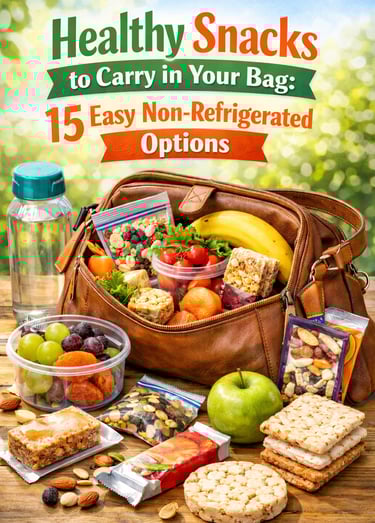
Healthy Snacks to Carry in Your Bag: 15 Practical No-Fridge Options
Have you ever been in that situation? It's midday, hunger strikes, and the only option nearby is a pastry from the bakery or a package of cookies. We know it's not the best choice, but in the daily rush, we end up giving in.
The good news is that having healthy snacks always on hand is much easier than it seems. And no, you don't need to carry a cooler bag everywhere. There are numerous nutritious, delicious options that don't require refrigeration.
In this article, you'll discover 15 practical snacks to carry in your bag, backpack, or purse, plus tips for creating your own snacks so you never have to rely on ultra-processed options again.
Why Keep Healthy Snacks Always at Hand?
Before we dive into the options, it's worth understanding why this makes such a difference in your eating routine.
When we go many hours without eating, our body enters energy-saving mode. The result? That overwhelming hunger that makes us devour anything in sight, usually options high in sugar, fat, and sodium.
Having a healthy snack nearby helps maintain stable energy levels throughout the day, prevents blood sugar spikes, improves focus and concentration, and makes weight control easier, since you won't arrive starving at main meals.
15 Healthy Snacks That Don't Need Refrigeration
1. Trail Mix with Nuts and Dried Fruits
The perfect combination of healthy fats, fiber, and quick energy. Create your own mix with Brazil nuts, almonds, walnuts, dried apricots, and raisins. Ideal portion: one closed fist (about 1 oz).
Practical tip: Prepare individual portions in reusable bags on Sunday and have them ready for the whole week.
2. Banana with Peanut Butter
Bring a banana and an individual packet of natural peanut butter (the kind without sugar and palm oil). At snack time, just peel and dip.
Benefit: Bananas provide potassium and quick energy, while peanut butter brings protein and healthy fats that prolong satiety.
3. Homemade Granola Bars
Commercial versions usually hide lots of sugar. Making them at home is simple: oats, honey, peanut butter, dried fruits, and seeds. Bake, cut into bars, and store in airtight containers.
4. Whole Grain Crackers with Sesame
Look for options with a short ingredient list and no added sugar. Brown rice crackers or flaxseed crackers are great picks. Combine with a fruit for balance.
5. Whole Apples or Pears
Sometimes simplicity wins. These fruits withstand transport well, don't bruise easily, and provide fiber that aids digestion and hunger control.
Trick: Brush a little lemon on cut apple slices to prevent oxidation if you prefer to bring them sliced.
6. 70% Dark Chocolate
Yes, chocolate can be a healthy snack! Versions with high cocoa content have less sugar and are rich in antioxidants. Two or three small squares are enough to satisfy that sweet craving.
7. Homemade Oatmeal Cookies
Bake cookies with oats, mashed banana, cinnamon, and dark chocolate chips. They last several days in a sealed container and are perfect for that afternoon coffee break.
8. Homemade Seasoned Popcorn
Make popcorn in the microwave or on the stove without oil, and season with spices: smoked paprika, rosemary, curry, or cocoa powder. Put in small bags and take wherever you want.
Advantage: High in fiber and much lower in calories than industrial snacks.
9. Stuffed Dates
Remove the pit from medjool dates and fill with peanut butter or an almond. It's sweet, nutritious, and gives instant energy for workouts or long meetings.
10. Roasted Chickpeas
Roast cooked chickpeas in the oven with olive oil and seasonings until crispy. They're similar to roasted peanuts but much healthier and rich in plant protein.
11. Tapioca Muffins
Prepare baked muffins with tapioca flour, egg, cheese, and herbs. They stay dry and can be stored at room temperature for up to two days.
12. Dehydrated Fruits
Dehydrated mango, pineapple, banana, and strawberry are natural sweets that satisfy sugar cravings. Just watch portion size, as they're concentrated in natural sugar.
13. Overnight Oats in a Jar
Prepare oats with plant-based milk or yogurt, add chia seeds, dried fruits, and cinnamon. Leave in the fridge overnight. In the morning, transfer to an airtight container and carry without refrigeration for up to 4 hours.
14. Veggie Sticks with Hummus
Carrot, cucumber, and bell pepper cut into sticks accompanied by hummus in individual containers. Chickpea-based hummus provides protein and makes it a complete snack.
Note: This option works best if consumed within 3-4 hours after preparation.
15. Whole Wheat Bread with Avocado
Bring a slice of whole wheat bread and half an avocado. At snack time, mash the avocado with a fork, season with salt and lemon, and spread on the bread.
How to Build Your Own Healthy Snacks
Now that you know various options, here are some tips to create your own combinations:
Combine macronutrients: Always try to pair carbohydrates (fruits, whole grain bread) + protein (nuts, peanut butter) + healthy fats (avocado, seeds). This combination ensures prolonged satiety.
Think about textures: Mix crunchy with soft, sweet with savory. This makes the snack more satisfying and enjoyable.
Plan ahead: Set aside 30 minutes on the weekend to wash fruits, assemble trail mix portions, and prepare recipes that can be stored.
Invest in good containers: Airtight containers, reusable silicone bags, and insulated pouches help keep everything organized and fresh.
Common Mistakes When Choosing "Healthy" Snacks
Not everything that seems healthy really is. Watch out for these traps:
Store-bought granola bars: Many have as much sugar as a regular chocolate bar. Read labels and prefer homemade versions.
Boxed juices: Even the "natural" or "100% juice" ones concentrate too much sugar and lose the fruit's fiber. Prefer whole fruit.
"Fit" cookies: Many just swap white sugar for brown sugar or honey but remain ultra-processed. Check the ingredient list.
Commercial granola: May contain excess sugar and bad fats. Choose versions without added sugar or make your own.
Storage and Transport Tips
To keep your snacks fresh and tasty:
Use appropriate containers: Prefer glass or BPA-free plastic with airtight seals.
Avoid crushing: Fruits like bananas and pears can go in specific fruit transport cases.
Keep away from sun: Store your bag in cool, airy places, especially if it contains chocolate or nut butters.
Respect timeframes: Homemade snacks last 3 to 5 days when properly stored. Note the preparation date.
Healthy Snacks for Different Situations
For work: Oatmeal cookies, trail mix, whole fruits, whole grain crackers.
For workouts: Stuffed dates, banana with peanut butter, homemade bars, dark chocolate.
For travel: Roasted chickpeas, dehydrated fruits, homemade granola bars, seasoned popcorn.
For kids: Tapioca muffins, sliced apple with peanut butter, homemade cookies, mix of dried fruits and nuts (if no allergies).
Start Slow and Build Up
You don't need to become a meal prep expert overnight. Start by choosing two or three options from this list that seem most practical for your routine.
In the first week, try bringing just nuts and a fruit. In the second, add a homemade recipe. Gradually, you'll build the habit and realize how simple it is to have healthy options always at hand.
The important thing is to take the first step. Your body, energy, and health will thank you.
Conclusion
Having healthy snacks that don't need refrigeration is one of the most effective strategies for maintaining a balanced diet even with a busy routine. With a little planning and the right options, you'll never need to resort to ultra-processed foods when hunger strikes.
Try the suggestions in this article, adapt them to your preferences and needs, and discover how small changes in snacks can make a big difference in your daily well-being.
Which of these options will you try first? Share in the comments your favorite combinations and help other readers discover new practical and healthy snacks!