

How to Start Eating Healthy: A Practical Guide for Those Who Want to Eat Better Without Suffering
Learn how to start eating healthy in a simple, practical, and sustainable way. Complete guide with steps, smart swaps, recipes, and tips to transform your habits without suffering.
1/7/20268 min read
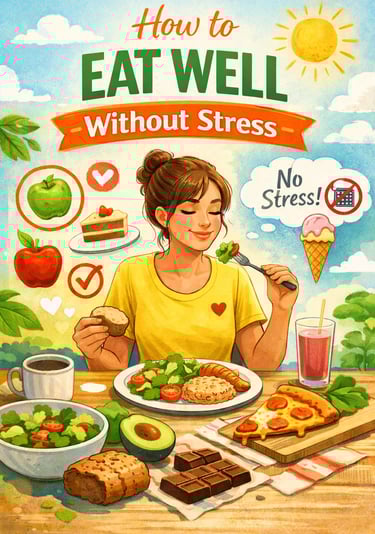
How to Start Eating Healthy: A Practical Guide for Those Who Want to Eat Better Without Suffering
Learn how to start eating healthy in a simple, practical, and sustainable way. Complete guide with steps, smart swaps, recipes, and tips to transform your habits without suffering.
Have You Ever Tried "Starting Your Diet on Monday" and Quit Before Thursday?
If the answer is yes, take a deep breath: you didn't fail. The system was wrong.
The truth no one tells you is that 98% of restrictive diets fail within 2 years. Not due to lack of willpower, but because they're unsustainable, radical, and disconnected from real life.
Changing your diet doesn't need to (and shouldn't!) be synonymous with:
Starving yourself
Obsessively counting calories
Eliminating entire food groups
Living on salad and chicken breast
Giving up your entire social life
On the contrary: when you understand the process correctly, eating well becomes natural, pleasurable, and even liberating.
In this complete guide, you'll discover: ✓ Why radical diets don't work (and what actually does) ✓ Practical steps to start today, without complications ✓ Smart swaps that transform your eating habits ✓ How to organize your kitchen and routine ✓ Strategies to maintain long-term changes ✓ Simple and delicious recipes
Get ready to transform your relationship with food through small sustainable changes that generate big results.
Why Restrictive Diets Fail (And What Actually Works)
The Great Myth of Healthy Eating
There's a deeply rooted belief in our culture:
"Healthy eating = Restriction, sacrifice, and suffering"
This is the biggest nutritional lie in history.
Healthy eating IS NOT: ❌ Cutting everything you enjoy ❌ Counting calories all day ❌ Living on salad and water ❌ Being constantly hungry ❌ Feeling guilty for every "slip-up" ❌ Spending the weekend planning "Monday's diet"
What Is Healthy Eating Really?
Healthy eating IS: ✔ Choosing natural foods more frequently ✔ Balancing nutrition with pleasure ✔ Having social flexibility ✔ Eating when hungry, stopping when satisfied ✔ Allowing yourself an occasional treat, without guilt ✔ Having energy, vitality, and well-being
The Golden Rule That Changes Everything
If there's ONE single rule that summarizes healthy eating, it's this:
"The more natural, the better. The more processed, the more moderation."
Simple as that:
More: Foods that come from nature Less: Foods that come from industry
More: Real ingredients Less: Packages and wrappers
More: Color, variety, flavor Less: Additives, preservatives, hidden sugars
The Question That Transforms Your Choices
Before eating anything, ask yourself:
👉 "Does this food come from nature or from a factory?"
From nature:
Fruits, vegetables, whole grains
Meats, fish, eggs
Legumes, nuts
✅ Frequent choice
From the factory:
Ultra-processed foods, industrialized frozen meals
Chips, filled cookies
Sodas, boxed juices
⚠️ Consume occasionally
The 7 Pillars of Sustainable Healthy Eating
1. Real Foods as Foundation
What are real foods?
Those your great-grandmother would recognize as food:
Rice, beans, potatoes
Fruits, vegetables, greens
Meats, fish, eggs
Nuts, seeds
Practical rule: If it has more than 5 ingredients on the label (or ingredients you can't pronounce), it's probably ultra-processed.
2. Variety and Colors on Your Plate
The more colorful your plate, the better!
Each color represents different nutrients:
🔴 Red (tomato, watermelon, strawberry): Lycopene, antioxidants 🟠 Orange (carrot, pumpkin, mango): Beta-carotene, vitamin A 🟡 Yellow (banana, corn, pineapple): Vitamin C, potassium 🟢 Green (broccoli, spinach, kiwi): Fiber, iron, folate 🟣 Purple (eggplant, grapes, beets): Anthocyanins, antioxidants ⚪ White (garlic, onion, cauliflower): Allicin, sulfur compounds
Goal: 5-7 different colors per day
3. Macronutrient Balance
Your body needs all three:
Carbohydrates (45-65% of calories):
Energy for brain and muscles
Prefer: whole grains, fruits, legumes
Avoid: refined and simple sugars
Proteins (15-25%):
Muscle building and repair
Sources: meats, fish, eggs, legumes, dairy
Include in ALL meals
Healthy Fats (20-35%):
Hormones, brain, vitamin absorption
Good sources: olive oil, avocado, nuts, fatty fish
Avoid: trans and excess saturated fats
4. Adequate Hydration
Water is an essential nutrient!
35ml per kg of body weight
Example: 70kg = 2.45L/day
Increase if exercising or hot weather
5. Timing and Regularity
Eat at regular times:
Helps metabolic regulation
Prevents excessive hunger
Improves digestion
Synchronizes biological clock
Don't skip meals (especially breakfast!)
6. Moderation, Not Elimination
80/20 Rule:
80% of choices: nutritious
20%: flexibility and pleasure
Sustainable forever
7. Pleasure and Satisfaction
Food should be a source of:
Nutrition
Pleasure
Social connection
Culture and tradition
Eating well isn't punishment. It's delicious self-care!
Step by Step: How to Start Today (Without Radicalism)
Week 1-2: Awareness Without Changes
Objective: Observe without judgment
What to do:
Simple food diary:
Write down what you eat (without counting calories!)
Observe timing
Note how you feel after eating
Identify patterns:
When do you eat from hunger vs. emotion?
Which foods give you energy vs. make you sleepy?
Where are the ultra-processed foods?
Don't change anything yet! Just observe.
Week 3-4: First Wave of Changes
Choose 3 simple changes:
Suggestions (choose 3): ✅ Drink 2L of water/day ✅ Add 1 fruit at breakfast ✅ Include salad at lunch ✅ Swap soda for lemon water ✅ Replace 1 ultra-processed item with natural
Don't try more than 3! Consolidating is better than trying everything.
Week 5-6: Expanding Changes
Add 3 more changes:
✅ Include protein in all meals ✅ Swap white bread for whole grain ✅ Prepare healthy snacks (prevents impulses) ✅ Reduce added sugar ✅ Cook 1 more meal per week
Week 7-8: Consolidation
Focus: Make the 6 changes automatic
Add:
Weekly meal planning
Basic meal prep (advance preparations)
Try 1 new recipe/week
Month 3 Onward: Lifestyle
Now you:
Eat better naturally
Don't feel like you're "on a diet"
Have energy and vitality
Allow yourself flexibility without guilt
Keep evolving gradually!
Smart Swaps: Substitute Without Losing Flavor
Category: Carbohydrates
From (Less Healthy) To (Healthier) Why? White bread Whole grain bread with visible grains Fiber, lower glycemic index White rice Brown rice, quinoa, black rice B vitamins, fiber, minerals White pasta Whole wheat or chickpea pasta Protein, fiber White flour Whole wheat flour, oats, almond flour Preserved nutrients
Category: Proteins
From To Why? Processed meats Fresh grilled/baked meats Less sodium, no nitrites Frozen nuggets Homemade chicken breaded in oats Ingredient control Hot dogs Artisanal sausage or chicken Fewer additives
Category: Fats
From To Why? Excessive butter Extra-virgin olive oil Monounsaturated fats Margarine Avocado, peanut butter Natural fats Soybean oil Olive oil, avocado oil Less processed
Category: Beverages
From To Why? Soda Water with lemon/fruits Zero sugar, hydration Boxed juice Whole fruit or fresh juice Preserved fiber Chocolate milk Pure cocoa + banana Less sugar, more nutrients
Category: Sweets
From To Why? Industrial ice cream Nice cream (blended frozen banana) Less sugar/additives Milk chocolate 70%+ dark chocolate Antioxidants, less sugar Filled cookies Dried fruits + nuts Real nutrients
Category: Seasonings
From To Why? Ready-made seasoning Natural herbs + garlic + onion Less sodium, more flavor Industrial sauces Homemade sauces Ingredient control Excess salt Herbs, lemon, spices Less sodium, better cardiovascular health
Organize Your Kitchen for Success
Clean Out Pantry and Refrigerator
Donate or eliminate:
Ultra-processed items with expired dates
Chips, filled cookies
Sodas, artificial juices
Sauces full of additives
Don't throw everything out at once! Go gradually.
Build Your Healthy Pantry
Always have at home:
Whole grains:
Brown rice
Oats
Quinoa
Whole wheat pasta
Legumes:
Beans (various types)
Lentils
Chickpeas
Peas
Nuts and seeds:
Cashews, walnuts, almonds
Chia, flaxseed, sesame
Seasonings:
Garlic, onion
Dried herbs (oregano, rosemary, thyme)
Spices (turmeric, paprika, cumin)
Extra-virgin olive oil
Useful canned goods:
Peeled tomatoes
Tuna/sardines in water
Corn, peas (without sugar)
Organize the Refrigerator
Always have:
Eggs
Plain yogurt
White cheeses
Various vegetables
Seasonal fruits
Fresh proteins
Tip: Keep healthy foods visible and accessible!
Meal Prep: The Secret of Those Who Eat Well Without Stress
Why Does Meal Prep Work?
✓ Saves time during the week ✓ Prevents impulsive delivery orders ✓ Guarantees ready nutritious meals ✓ Reduces food waste ✓ Saves money
Simple Meal Prep Method
Sunday (2-3 hours):
1. Plan 4-5 dinners:
Monday: Chicken + sweet potato + broccoli
Tuesday: Fish + brown rice + salad
Wednesday: Omelet + vegetables
Thursday: Ground meat + vegetables + mash
Friday: Free (cook fresh or eat out)
2. Make shopping list
3. Buy everything
4. Prepare bases:
Cook grains (rice, quinoa)
Bake proteins
Cut vegetables
Make basic sauces
5. Assemble meal prep containers:
Divide into containers
Label with date
Refrigerator: 3-5 days
Freezer: up to 3 months
Base Recipes for Meal Prep
1. Versatile Shredded Chicken:
Cook chicken breasts with bay leaf, garlic, onion
Shred
Use in: salads, wraps, tacos, soups, sandwiches
2. Seasoned Ground Meat:
Sauté with tomato, onion, garlic, herbs
Use in: pasta, rice, omelets, tacos
3. Roasted Vegetables:
Cut: zucchini, eggplant, bell pepper, onion
Season: olive oil, garlic, salt, herbs
Roast 400°F, 30min
Use as side dish
4. Brown Rice + Beans:
Cook large quantity
Portion
Base for countless meals
20 Simple Recipes to Get Started
Breakfasts (5 minutes)
1. Overnight Oats:
1/2 cup oats
1 cup milk (or plant-based)
Fruits
1 tsp honey
Mix, leave in fridge overnight
2. Quick Omelet:
2 eggs
Tomato, onion, spinach
Cheese (optional)
Beat, pour in pan, 3 min
3. Complete Smoothie:
1 frozen banana
1 cup milk
2 tbsp oats
1 tbsp peanut butter
Blend and serve
Lunches/Dinners (20-30 minutes)
4. Mediterranean Bowl:
Base: quinoa or brown rice
Protein: chicken or chickpeas
Vegetables: cucumber, tomato, olives
Sauce: tahini with lemon
5. Salmon with Vegetables:
Seasoned salmon
Various vegetables
Everything on baking sheet, 350°F, 20min
6. Quick Stir-fry:
Protein (chicken, tofu, shrimp)
Cut vegetables
Soy sauce + ginger + garlic
Sauté everything, 10min
7. Nutritious Soup:
Vegetable broth
Chopped vegetables
Protein (shredded chicken or lentils)
Cook 20min
Snacks (5 minutes or less)
8. Yogurt with Granola:
Plain yogurt
Fruits
Homemade granola or nuts
9. Chickpea Paste:
Cooked chickpeas
Tahini, garlic, lemon
Blend in food processor
Serve with vegetables
10. Fruits with Nut Butter:
Sliced apple
Peanut or almond butter
How to Maintain Long-Term Changes
1. Focus on Habits, Not Motivation
Motivation is temporary. Habits are permanent.
Strategy:
Choose 1 habit at a time
Practice 21-30 days
Make it automatic
Add next habit
2. Prepare for Obstacles
Common obstacle: "I don't have time" Solution: Meal prep, 15-min recipes, healthy frozen foods
Obstacle: "It's too expensive" Solution: Beans, rice, eggs, seasonal vegetables = cheap
Obstacle: "My family won't eat it" Solution: Introduce gradually, involve in choices
Obstacle: "I travel a lot/eat out" Solution: Smart choices at restaurants, portable snacks
3. Have Flexibility
80/20 Rule:
80% of the time: nutritious choices
20% of the time: flexibility
Birthdays, parties, social dinners: LIVE! Without guilt.
4. Find Your "Why"
Why do you want to eat better?
More energy?
Long-term health?
Example for children?
Feel good in your body?
Write it down and revisit when you need motivation.
5. Celebrate Small Victories
1 week without soda? Celebrate!
Prepared meal prep 3x? Victory!
Tried new vegetable? Amazing!
Progress > Perfection
Frequently Asked Questions (FAQ)
1. Do I need to cut out sugar completely?
No! Reducing is smart, but eliminating 100% isn't necessary (nor sustainable for most).
Strategy:
Eliminate "hidden" sugars (sauces, breads, seasonings)
Reduce sugary desserts
Allow yourself an occasional treat, consciously
Natural sugar from fruits: Allowed! Comes with fiber and nutrients.
2. Is healthy eating more expensive?
Myth!
What makes it expensive:
Frequent delivery
"Healthy" ultra-processed foods (bars, snacks)
Ready-made meals
Waste
Economical and nutritious:
Rice, beans, lentils
Eggs
Chicken, fish (on sale)
Seasonal vegetables and fruits
Farmers market purchases
Tip: Cooking at home is ALWAYS more economical.
3. I don't have time to cook. Now what?
Solutions: ✓ Weekly meal prep (3h Sunday = week solved) ✓ 15-20 minute recipes (stir-fry, omelets, salads) ✓ Electric pressure cooker/air fryer (quick prep) ✓ Frozen vegetables (pre-washed, pre-cut) ✓ Simple proteins (boiled eggs, tuna, rotisserie chicken)
Truth: You have time. It's a matter of priority.
4. What if I don't like vegetables?
Try 3 things:
Different preparation methods:
Raw vs. cooked vs. roasted vs. grilled
Completely changes flavor and texture
Seasonings and combinations:
"Bland" broccoli vs. roasted broccoli with garlic and lemon
Experimentation is key
Mix with what you like:
Vegetables in pasta
In omelets
In wraps
Hidden in sauces
Tip: Adults need to try a food 10-15 times to "like" it. Be patient with yourself!
5. Can I eat out and maintain healthy eating?
Absolutely!
Strategies: ✓ Choose restaurants with healthy options ✓ Dishes with recognizable ingredients ✓ Half the plate = vegetables ✓ Grilled/baked protein > fried ✓ Sauces on the side (you control amount) ✓ Water or fresh juice > soda ✓ Share dessert or skip it
Social flexibility is part of healthy living!
6. How to deal with binge eating?
Common causes:
Excessive restriction (body "retaliates")
Emotional eating
Skipping meals (excessive hunger)
Solutions:
Don't restrict drastically (increases binging)
Eat regularly (prevents extreme hunger)
Identify emotional triggers (anxiety, boredom, sadness)
Have alternative strategies (walk, call friend, hobby)
Seek professional help if it persists (behavioral nutritionist, psychologist)
7. Can children follow the same eating plan?
Yes! Healthy eating is for the whole family.
Tips:
Involve children in preparation
Fun presentation
Don't force, offer repeatedly
Be an example (children copy)
Don't use food as reward/punishment
8. What if I "slip up" on the weekend?
There's no such thing as a "slip-up"! There's life.
Truth: What you do consistently matters. What you do occasionally doesn't.
80/20 Strategy:
If 80% of meals are nutritious, 20% flexibility changes nothing
One pizza on Saturday doesn't cancel a week of good choices
Monday isn't a "restart," it's a continuation
Abandon the all-or-nothing mentality!
Conclusion: Small Steps, Big Transformations
You don't need: ❌ Radical diets ❌ Food revolutions ❌ Perfection ❌ Extreme restrictions
You need: ✅ One more natural food per day ✅ One less ultra-processed item per week ✅ One new recipe per month ✅ One extra glass of water ✅ One fruit as a snack ✅ Patience and kindness with yourself
Healthy eating isn't a destination. It's a journey.
And journeys are made one step at a time.
Start today. Start small. But start.
Your body, your mind, and your future will thank you.
Your challenge for this week: Choose 3 simple changes from this list and implement them in the next 7 days. Then, share in the comments how your experience went!
This article is informative and educational in nature. For personalized nutritional guidance, especially if you have specific health conditions, consult a registered dietitian.
Tags: how to start healthy eating, healthy diet, eating well, healthy eating habits, nutritional reeducation, balanced diet, nutrition, losing weight healthily, meal prep, healthy swaps, easy recipes, how to lose weight, healthy lifestyle, without suffering, sustainable