

Hydration Beyond Water: How to Hydrate Properly
Discover that hydration goes far beyond drinking water. Learn about electrolytes, hydrating foods, signs of dehydration, and practical strategies to keep your body perfectly hydrated.
saudenamesa.com
12/1/20257 min read

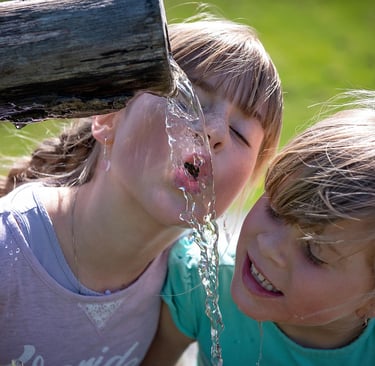
Hydration Beyond Water: How to Hydrate Properly
Discover that hydration goes far beyond drinking water. Learn about electrolytes, hydrating foods, signs of dehydration, and practical strategies to keep your body perfectly hydrated.
Do You Really Know How to Hydrate?
You drink 2 liters of water daily religiously, but still feel dry mouth, fatigue, and headaches? Or maybe you force liters and liters of water but find yourself running to the bathroom every 20 minutes without feeling any improvement?
The problem might not be the AMOUNT of water, but rather HOW you're hydrating.
True and effective hydration is much more complex than simply pouring water into your body. It involves electrolytes, proper timing, hydrating foods, and understanding the signals your body sends.
Get ready to discover everything you need to know about hydration - and how to finally keep your body perfectly hydrated.
What Is True Hydration?
More Than Water: The Role of Electrolytes
About 60% of the human body is composed of water. But this water isn't simply "free" in the body - it exists in a delicate balance with minerals called electrolytes.
Main electrolytes:
Sodium (Na+):
Regulates water volume in body
Nerve impulse transmission
Muscle contraction
Blood pressure
Potassium (K+):
Balances sodium
Essential for heart and muscles
Regulates blood pressure
Nerve function
Magnesium (Mg2+):
Muscle relaxation
Energy production (ATP)
Reduces stress
Over 300 enzymatic reactions
Calcium (Ca2+):
Muscle contraction
Nerve signaling
Blood coagulation
Bone strength
Chloride (Cl-):
Balances fluids
Gastric acid production
Works with sodium
Phosphate (PO4³-):
Cellular energy
Bone health
pH balance
How They Work
Electrolytes carry electrical charge and allow:
Water to enter and exit cells properly
Electrical signals to be transmitted (brain ↔ muscles)
Body pH to be maintained
Nutrients to be transported
Waste to be removed
Crucial truth: Drinking pure water in excess can DILUTE electrolytes and worsen hydration! This is called hyponatremia (low sodium).
Why Is Hydration So Important?
1. Body Temperature Regulation
When temperature rises (exercise, heat), your body produces sweat to cool through evaporation. Sweat contains water and electrolytes like sodium and potassium.
Dehydration compromises:
Sweat production
Cooling capacity
Risk of heat stroke or heat exhaustion
2. Physical Performance
A 2% reduction in body weight through water loss can represent up to 10% drop in performance.
Adequate hydration:
Improves endurance and muscle strength
Prevents fatigue and cramps
Optimizes muscle oxygenation
Accelerates recovery
3. Brain Function
Dehydration, even mild, can decrease brain volume and affect cognitive function.
Impacts of dehydration:
Reduced concentration and memory
Mood changes and irritability
Headaches
Decreased cognitive performance
Brain fog
Studies show: Dehydration of just 1-2% already affects cognition!
4. Digestive Health
Water aids in the formation and elimination of feces, preventing dryness and helping avoid constipation.
Functions:
Saliva production (starts digestion)
Dissolves nutrients
Facilitates absorption
Prevents constipation
5. Kidney Health
The kidneys filter blood and get great help when the body is well hydrated, as water helps eliminate toxins and other waste more easily.
Benefits:
Efficient filtration
Prevention of kidney stones
Toxin elimination
Optimized kidney function
6. Cardiovascular Health
A hydrated body has more fluid blood circulation because water makes blood less thick, helps maintain proper heart rate and blood pressure.
Results:
Less viscous blood
Heart works with less effort
Regulated blood pressure
Better tissue oxygenation
7. Skin Health
Adequate hydration helps prevent premature skin aging, provides elasticity and firmness, reducing fine lines and wrinkles.
Visible benefits:
More elastic skin
Fewer wrinkles
Healthier and more vibrant appearance
Reduced dryness
8. Weight Control
Thirst is often confused with hunger
Water increases satiety
Zero calories
Improves metabolism
Signs of Dehydration
Mild Dehydration (1-2% body weight loss)
✗ Thirst
✗ Dry mouth
✗ Dark yellow urine
✗ Decreased urination frequency
✗ Mild headache
✗ Fatigue
✗ Mild dizziness
Moderate Dehydration (3-5%)
✗ Intense thirst
✗ Very dark or absent urine
✗ Dry skin, no elasticity
✗ Sunken eyes
✗ Low blood pressure
✗ Rapid heartbeat
✗ Mild mental confusion
✗ Irritability
Severe Dehydration (5-10%)
MEDICAL EMERGENCY
✗ No urination for 8+ hours
✗ Extremely dry skin
✗ Very sunken eyes
✗ Severe confusion or delirium
✗ Muscle spasms
✗ Loss of balance
✗ Very low blood pressure
✗ Risk of death
Seek medical attention immediately!
Quick Hydration Tests
1. Urine color:
Light yellow/straw: Well hydrated
Dark yellow: Dehydrated
Transparent: Possibly over-hydrated
2. Skin elasticity test:
Pinch skin on back of hand
Should return immediately to normal
If delayed: dehydration
3. Mouth and lips:
Dry and cracked: dehydration
How Much Do You Really Need?
Is the 2-Liter Rule a Myth?
The famous "8 glasses or 2 liters" recommendation is a general approximation, but doesn't work for everyone.
Personalized Calculation
Basic formula: 35ml of water per kg of body weight
Examples:
60kg person: 60 x 35ml = 2.1L
70kg person: 70 x 35ml = 2.45L
80kg person: 80 x 35ml = 2.8L
Factors That Increase Need
Physical activity:
Add 500-1000ml per hour of moderate exercise
More for intense exercise or heat
Climate:
Hot and humid climate: +500ml to 1L
High altitude: +500ml
Special conditions:
Pregnancy: +300ml
Breastfeeding: +700-1000ml
Fever, vomiting, diarrhea: Much more (medical guidance)
Diet:
High protein diet: More water
Ketogenic diet: More water (initial water loss)
High salt: More water
Alcohol/caffeine: More water (diuretics)
The Best Indicator: Thirst
The Ministry of Health suggests that THIRST should be the main indicator for water intake. Paying attention to the first signs of thirst and immediately satisfying the need for water signaled by our body is fundamental.
But attention:
Elderly have reduced thirst mechanism
During exercise, thirst indicates you're already dehydrated
In some conditions, waiting for thirst is not ideal
Hydration Beyond Water: Smart Sources
Pure Water: The Foundation
Types of water:
Filtered water: Great home option, removes impurities
Mineral water: Natural, rich in minerals, good choice
Alkaline water: Benefits debated, not essential but OK
Tap water: Safe in Brazil in most cities (check local quality)
Naturally Enriched Water
1. Water with lemon:
Vitamin C
Antioxidants
Stimulating flavor
Alkalizing (despite being acidic)
2. Water with cucumber:
Refreshing
Antioxidants
Minerals
3. Water with mint:
Digestive
Refreshing
Pleasant flavor
4. Water with ginger:
Anti-inflammatory
Digestive
Mild thermogenic
5. Water with berries:
Antioxidants
Delicious flavor
Vitamins
Coconut Water: Complete Natural Hydration
Benefits:
Rich in potassium (more than banana!)
Magnesium, calcium, sodium
Low calorie
Natural isotonic
Excellent post-workout
Ideal: 200-500ml after exercise
Teas and Infusions
Good options:
Green tea (antioxidants)
Hibiscus tea (blood pressure)
Chamomile tea (calming)
Mint tea (digestive)
White tea (antioxidants)
Moderation with:
Black tea (caffeine)
Mate tea (caffeine)
Avoid excess: Despite hydrating, caffeinated teas have mild diuretic effect.
Hydrating Foods
Water-rich fruits (90%+):
Watermelon: 92% water
Lycopene (antioxidant)
Citrulline (performance)
Natural electrolytes
Strawberry: 91% water
Vitamin C
Antioxidants
Fiber
Cantaloupe: 90% water
Vitamin A
Potassium
Pineapple: 87% water
Bromelain (digestion)
Vitamin C
Orange: 87% water
Vitamin C
Potassium
Others: Peach, plum, grape, kiwi
Hydrating vegetables (90%+):
Cucumber: 96% water
The champion!
Minerals
Very low calorie
Lettuce: 95% water
Fiber
Vitamins
Zucchini: 94% water
Culinary versatility
Nutrients
Tomato: 94% water
Lycopene
Potassium
Celery: 95% water
Natural electrolytes
Fiber
Others: Radish, cauliflower, spinach, broccoli
Soups and broths:
Excellent hydration
Electrolytes (if using moderate salt)
Nutrients
What to AVOID
❌ Sodas:
Excessive sugar
Empty calories
Doesn't hydrate efficiently
❌ Industrial juices:
Too much sugar
Few nutrients
Worse than whole fruit
❌ Energy drinks:
Excess caffeine and sugar
Can worsen dehydration
Cardiovascular problems
❌ Alcohol:
Potent diuretic
Severely dehydrates
For each drink, consume 2 extra glasses of water
❌ Excessive coffee:
Moderate (2-3 cups) is OK
Excess dehydrates
Compensate with more water
Electrolytes: The Secret to Effective Hydration
Why Electrolytes Matter?
Electrolytes are essential for energy, focus, and well-being, vital because they regulate water movement in and out of cells and allow electrical signals to be transmitted throughout the body, fundamental for brain and heart.
When Do You Need Extra Electrolytes?
✓ Intense or prolonged exercise (>1h)
✓ Extreme heat and heavy sweating
✓ Vomiting or diarrhea
✓ Hangover
✓ Ketogenic diet (water/electrolyte loss)
✓ Prolonged fasting
✓ High consumption of pure water (dilutes electrolytes)
Natural Sources of Electrolytes
Sodium:
Sea salt or pink salt (use moderately)
Olives
Fermented pickles
Bone broth
Potassium:
Banana
Sweet potato
Avocado
Spinach
Coconut water
Beans
Magnesium:
Nuts (almonds, cashews)
Avocado
70%+ dark chocolate
Spinach
Legumes
Calcium:
Dairy
Dark green vegetables
Sardines with bones
Tofu
Tahini (sesame paste)
Homemade Electrolyte Drinks
1. Morning Hydration Cocktail
500ml water
Small pinch of sea salt
Juice of 1/2 lemon
1 tsp raw honey
Benefits: Sodium, potassium, hydration
2. Natural Post-Workout Isotonic
500ml coconut water
Juice of 1 orange
Pinch of salt
1 tsp honey (optional)
Benefits: Potassium, sodium, magnesium, carbohydrates
3. Berry Hydrator
500ml water
1/2 cup mashed berries
Juice of 1/2 lemon
Pinch of salt
Stevia (optional)
4. Homemade Alkaline Water
1L filtered water
Juice of 1 lemon
Pinch of baking soda
Pinch of pink salt
Commercial Sports Drinks: When Are They Worth It?
Pros:
Convenient
Optimized electrolyte ratio
Pleasant flavor
Cons:
Too much sugar (20-30g per serving!)
Artificial colors
Expensive
When to use:
Intense exercise >1h
Extreme heat
Sports competitions
Better: Sugar-free versions or make at home!
Practical Hydration Strategies
1. Start the Day Hydrating
Upon waking:
500ml warm water with lemon
Or electrolyte cocktail
Body is dehydrated after 7-8h without drinking
Why it works:
Activates metabolism
Hydrates cells
Eliminates accumulated toxins
Awakens digestive system
2. Structure Hydration Throughout the Day
Example for 70kg person (2.5L/day):
6-7 AM: 500ml upon waking
9-10 AM: 300ml
12 PM: 300ml before lunch
3 PM: 500ml
5 PM: 300ml (pre-workout if applicable)
7 PM: 300ml
9 PM: 300ml (avoid too much before bed)
Total: 2,500ml distributed
3. Associate with Existing Habits
Triggers:
After using bathroom → drink water
Before each meal → glass of water
Arrived home → glass of water
After coffee → glass of water
4. Have Strategic Bottles
Work desk: Visible bottle
Car: Thermal bottle
Gym: Workout bottle
Bedside: Water for night
Tip: Bottles with time markings help!
5. Use Alarms/Apps
Useful apps:
Water Reminder
Plant Nanny (gamification)
MyWater
Simple phone alarms
6. Flavor Helps!
If you find water "bland":
Add lemon, mint, fruits
Vary temperature (cold, room temp, warm)
Sparkling water (without excessive sodium)
Unsweetened iced teas
7. Eat Hydrating Foods
Include daily:
Large salad at lunch
Fruits for snacks
Soups
Smoothies
Foods can contribute 20-30% of hydration!
8. Monitor Urine
Goal: Light yellow
If too clear: May be drinking too much
If dark: Need to drink more
9. Adjust According to Activity
Before exercise (2h before): 500ml
During (<1h): Pure water OK
During (>1h): Drink with electrolytes
After exercise: 150% of weight lost in sweat
Example: Lost 1kg → drink 1.5L
10. Attention in Special Situations
Air travel:
Air is very dry
Drink 250ml every hour
Avoid excess alcohol/coffee
High altitudes:
Need increases 30-50%
Clear urine is essential
Hot climate:
Increase 500ml-1L in base need
Attention to excessive sweating
Illness (fever, vomiting, diarrhea):
Hydration with electrolytes
Homemade serum
Consult doctor if severe
Special Populations
Children
Different needs:
Less thermoregulation capacity
Greater body surface/weight
May forget to drink
Tips:
Colorful and fun water bottles
Hydrating fruits for snacks
Water always accessible
Parental supervision
Elderly
Challenges:
Reduced thirst mechanism
Less total body water
Diuretic medications
Reduced kidney function
Strategies:
Scheduled times (don't wait for thirst)
Smaller glasses, more often
Soups and teas
Hydrating foods
Increased family attention
Pregnant Women
Increased needs:
+300ml/day beyond normal
Amniotic fluid
Increased blood volume
Prevent constipation
Tips:
Coconut water (natural electrolytes)
Avoid excess caffeine
Hydrating fruits
Consult obstetrician about ideal amount
Athletes
Very increased needs:
Depends on intensity, duration, climate
Can lose 6-10% of weight in sweat
Strategy:
Weigh yourself before and after training
Replace 150% of lost weight
Electrolytes essential in long workouts
Don't wait for thirst
Clear urine
Myths and Truths
Myth 1: "Only water hydrates"
Truth: Teas, foods, coconut water, natural juices also hydrate.
Myth 2: "More water is always better"
Truth: Excess dilutes electrolytes and can be dangerous (hyponatremia).
Myth 3: "Coffee dehydrates"
Truth: Diuretic effect is mild. Moderate consumption hydrates more than dehydrates. But compensate!
Myth 4: "Only drink when thirsty"
Truth: For most it's OK, but elderly, children, and athletes need to be proactive.
Myth 5: "Cold water is bad"
Truth: Room temperature may be absorbed slightly faster, but difference is minimal. Drink at preferred temperature!
Myth 6: "8 glasses is universal rule"
Truth: Need varies by weight, activity, climate. Personalize!
Conclusion: Hydrate Intelligently
Adequate hydration is one of the most fundamental - and neglected - pillars of health. But as we've seen, it's not just about forcing liters of water down your throat.
Intelligent hydration involves:
✓ Personalized quantity for your body
✓ Balanced electrolytes
✓ Strategic timing throughout the day
✓ Hydrating foods
✓ Attention to body signals
✓ Adjustments according to activity and climate
The good news? It's simple when you understand the principles and create a routine.
Start small: establish triggers, have accessible bottles, monitor your urine, add hydrating foods. Gradually, adequate hydration becomes automatic.
Your body thanks you with more energy, better cognition, healthy skin, optimized physical performance, and overall well-being.
Your challenge for this week: Calculate your water need, prepare a homemade electrolyte drink, and monitor your urine color for 7 days.
This article has an informative character. In case of specific medical conditions (heart, kidney, or liver failure), consult a doctor about individual water needs.
Tags: hydration, electrolytes, water, dehydration, health, performance, coconut water, hydrating foods, sodium, potassium, magnesium, isotonic drinks, how to hydrate, water benefits, adequate hydration