

Intermittent Fasting: Complete Science-Based Guide
Discover everything about intermittent fasting: what it is, how it works, proven benefits, different protocols, how to start safely, and who should avoid it. Complete guide based on scientific evidence.
saudenamesa.com
12/2/20258 min read
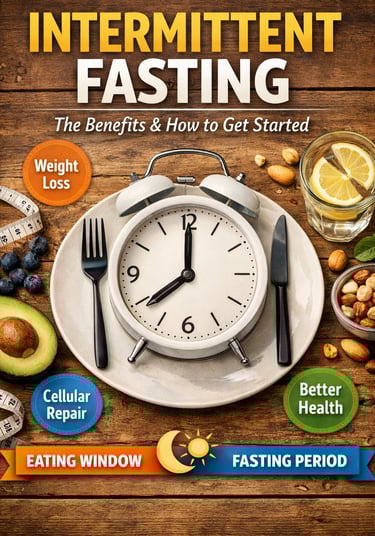
Intermittent Fasting: Complete Science-Based Guide
Discover everything about intermittent fasting: what it is, how it works, proven benefits, different protocols, how to start safely, and who should avoid it. Complete guide based on scientific evidence.
What Is Intermittent Fasting?
Intermittent fasting (IF) is not a diet that tells you WHAT to eat, but WHEN you should eat. It's an eating pattern that alternates between periods of eating and periods of fasting.
Before you think "this is crazy, I'll starve!", know that you already practice intermittent fasting naturally: when you sleep! The word "breakfast" literally means "break-fast."
Intermittent fasting simply extends a bit more this natural fasting period we already do every night.
An Ancestral Practice
Fasting is nothing new. Our hunter-gatherer ancestors frequently went long periods without food, simply because food wasn't always available. Our bodies evolved to function - and even thrive - during these periods without food.
Additionally, fasting has been part of religious and spiritual traditions for millennia: Ramadan (Islam), Yom Kippur (Judaism), Lent (Christianity), Buddhist fasts, among others.
What is relatively new is the science documenting the metabolic and cellular benefits of this ancestral practice.
How Does Intermittent Fasting Work in the Body?
What Happens During Fasting
0-4 hours after last meal:
Body still digesting and absorbing nutrients
Elevated blood glucose
Elevated insulin
Body in "fed" mode
4-8 hours:
Digestion complete
Glucose and insulin begin to drop
Body starts accessing glycogen (stored glucose)
8-12 hours:
Liver glycogen depleting
Insulin at low basal levels
Ketogenesis begins (ketone production)
Body transitioning to fat burning
12-18 hours:
Complete fasting mode
Mild to moderate ketosis
Accelerated fat burning
Autophagy initiating
HGH (growth hormone) increasing
18-24 hours:
Established ketosis
Robust autophagy
Significantly elevated HGH
Maximum fat burning
Enhanced mental clarity
24+ hours:
Benefits intensify
Deep autophagy
Accelerated cellular regeneration
(Not recommended without supervision)
Key Metabolic Changes
1. Fuel Switch
Fed state: Glucose is the primary fuel
Fasted state: Fat and ketones are the fuel
2. Insulin Sensitivity
Regular periods without food give cells a "rest," improving their response to insulin. This is fundamental for type 2 diabetes prevention.
3. Autophagy ("Self-Eating")
Process where cells recycle old, damaged, or dysfunctional components. It's a deep "cellular cleaning." Autophagy is linked to:
Longevity
Cancer prevention
Brain health
Neurodegeneration prevention
Yoshinori Ohsumi won the Nobel Prize in Medicine in 2016 for discovering the mechanisms of autophagy.
4. Growth Hormone (HGH)
Can increase up to 500% during fasting. Benefits:
Fat burning
Muscle mass gain
Recovery
Anti-aging
5. Reduced Inflammation
Fasting reduces inflammatory markers like CRP, IL-6, and TNF-alpha.
6. Reduced Oxidative Stress
Fewer free radicals, more antioxidant defenses.
Proven Benefits of Intermittent Fasting
1. Weight and Fat Loss
Mechanisms:
Natural calorie reduction (smaller eating window)
Increased basal metabolism (3-14% in short fasts)
Facilitated fat burning (low insulin)
Muscle mass preservation (elevated HGH)
Evidence: Studies show 3-8% body weight loss in 3-24 weeks, with preferential loss of visceral (abdominal) fat.
2. Metabolic Health
Type 2 Diabetes:
Improves insulin sensitivity by 20-31%
Reduces fasting glucose
Can reduce HbA1c
Some studies show possible reversal of early diabetes
Metabolic Syndrome:
Reduces abdominal circumference
Improves blood pressure
Improves lipid profile
3. Cardiovascular Health
Benefits:
Reduces LDL ("bad cholesterol") by 10-25%
Increases HDL ("good cholesterol")
Reduces triglycerides by 20-30%
Decreases blood pressure (5-8 mmHg)
Reduces inflammatory markers
Improves endothelial function
4. Brain Health
Neuroprotection:
Increases BDNF (brain-derived neurotrophic factor) - crucial for neurons
Reduces brain inflammation
Improves synaptic plasticity
Protects against Alzheimer's and Parkinson's in animal models
Cognitive Function:
Improves mental clarity
Increases focus and concentration
Many report "sharper mind" while fasting
5. Longevity and Anti-Aging
Animal Studies:
Rats and mice with intermittent fasting live 36-83% longer
Slows biological aging
Improves longevity markers
Humans:
Studies ongoing
Positive effects on aging biomarkers
Activates longevity pathways (sirtuins, AMPK, mTOR)
6. Autophagy and Cellular Regeneration
Benefits:
Removes defective proteins
Recycles damaged organelles
Prevents cellular toxic accumulation
Reduces cancer risk
Protection against neurodegeneration
7. Immune Health
Immune cell regeneration
Reduction of chronic inflammation
Possible improvement of autoimmune diseases
Better immune response (except for very long fasts)
8. Cancer
Promising evidence (mainly in animals):
Reduces growth factors associated with cancer
Protects healthy cells during chemotherapy
Makes cancer cells more vulnerable to treatment
Important: More research needed in humans
Intermittent Fasting Protocols
1. 16/8 Fast (Leangains Method)
How it works:
16 hours of fasting
8-hour eating window
Practical example:
Last meal: 8 PM
Fast overnight
First meal next day: 12 PM
Eating window: 12 PM - 8 PM
For whom:
Beginners
Those wanting something sustainable
Preserved social life
Tip: Skip breakfast OR dinner, whichever is easier for you.
2. 18/6 Fast
How it works:
18 hours of fasting
6-hour eating window
Example:
Last meal: 7 PM
First meal: 1 PM
Window: 1 PM - 7 PM
For whom:
Those already adapted to 16/8
Want to intensify results
3. 20/4 Fast (Warrior Diet)
How it works:
20 hours of fasting
4-hour eating window (usually 1-2 large meals)
Example:
Fast all day
Window: 5 PM - 9 PM
For whom:
Experienced
Prefer eating well at night
Should not be done every day
4. OMAD (One Meal A Day)
How it works:
23 hours of fasting
1 hour for one large meal
For whom:
Very experienced
Occasionally, not daily
Requires careful nutritional planning
5. 5:2 Fast
How it works:
5 days normal eating
2 days (non-consecutive) with 500-600 calories
Example:
Monday to Friday: normal
Saturday and Tuesday: 500 cal
For whom:
Don't like fasting daily
Prefer flexibility
6. Alternate Day Fasting
How it works:
Day 1: Normal eating
Day 2: Fast (0-500 calories)
Repeat
For whom:
Experienced
Aggressive goals (but careful)
Not recommended long-term
7. 24-Hour Fast
How it works:
Dinner today at 7 PM
Don't eat anything
Dinner tomorrow at 7 PM
Frequency: 1-2x per week, not consecutive
For whom:
Experienced
Specific therapeutic goals
Not as daily practice
How to Start: Step-by-Step Guide
Week 1-2: Preparation
Before starting fasting:
Improve food quality
Increase protein and fiber intake
Reduce sugars and processed foods
Hydrate well
Sleep 7-8 hours
Why? Adaptation will be easier.
Week 3-4: 12/12 Fast
Start gently:
12 hours of fasting
12-hour eating window
Example:
Dinner: 8 PM
Breakfast: 8 AM
This already brings benefits and is easy!
Week 5-6: 14/10 Fast
Extend gradually:
14 hours of fasting
10-hour window
Example:
Dinner: 8 PM
First meal: 10 AM
Week 7-8: 16/8 Fast
Most popular protocol:
16 hours of fasting
8-hour window
Example:
Dinner: 8 PM
Lunch: 12 PM
Month 3+: Maintenance and Adjustments
Continue 16/8 if it works
Try 18/6 some days
Be socially flexible
Listen to your body
What to Consume During Fasting?
ALLOWED (doesn't break fast)
✓ Water: Unlimited, essential! ✓ Black coffee: No sugar, no milk ✓ Unsweetened tea: Green, black, herbal ✓ Sparkling water: Natural, unflavored ✓ Salt: Pinch if needed (electrolytes)
DEBATE (may minimally affect, but generally OK)
≈ Coffee with one tablespoon of heavy cream: Minimal calories/carbs ≈ Lemon in water: Few calories ≈ Cinnamon or ginger in tea: No significant calories
BREAKS FAST
✗ Any solid food ✗ Sugar or honey ✗ Milk (animal or plant-based) ✗ Juices ✗ Broths (even bone broth) ✗ Supplements with calories ✗ Gum (even sugar-free, stimulates insulin)
What to Eat in the Eating Window
Principles
It's NOT a license to eat poorly!
Fasting doesn't compensate for junk food. Quality matters.
Prioritize:
Proteins (30-40% calories):
Lean meats, fish, chicken
Eggs
Legumes
Dairy
Healthy fats (25-35%):
Olive oil, avocado
Nuts and seeds
Fatty fish (omega-3)
Complex carbohydrates (30-40%):
Whole grains
Sweet potato
Legumes
Fruits
Abundant fiber:
Varied vegetables (7-10 servings)
Fruits
Legumes
Example 16/8 Day
12 PM - First meal (break fast):
Scrambled eggs (3) with vegetables
Avocado (1/2)
Whole grain toast (2)
Berries
Coffee or tea
4 PM - Snack:
Greek yogurt with nuts and honey
Apple
7:30 PM - Dinner:
Large salad with olive oil
Grilled salmon (180g)
Baked sweet potato
Broccoli
Dessert: 70% dark chocolate (30g)
Hydration: Water throughout the day
Tips to Make Fasting Easier
1. Manage Hunger
Hunger comes in waves, it's not constant. Peak lasts 10-20 min, then passes.
Strategies:
Drink water
Coffee or tea
Distract yourself (work, hobby)
Deep breathing
Remember: it's not an emergency
Truth: Hunger decreases after adaptation (2-4 weeks).
2. Stay Busy
Boredom intensifies hunger perception. Productive mornings make fasting easy.
3. Sleep Well
7-9 hours. Poor sleep increases ghrelin (hunger) and reduces leptin (satiety).
4. Start on Weekends
May be easier when not at work. Or the opposite - busy days make it easier! Test.
5. Be Socially Flexible
Dinner with friends? Adjust your window. IF should adapt to life, not the other way around.
6. Break Fast Intelligently
Avoid: All-you-can-eat buffet or fast food Prefer: Balanced meal, protein + vegetables
7. Exercise While Fasting
Light to moderate cardio: Generally OK
Strength training: Can do, but listen to body
Intense HIIT: Better after meal
Experiment. Many feel good training while fasting!
8. Electrolytes
Especially longer fasts (20+ hours):
Pinch of salt in water
Bone broth (technically breaks, but minimal)
Electrolyte supplement without calories
Side Effects and How to Deal
Adaptation Phase (2-4 weeks)
Normal to feel:
Hunger (decreases with time)
Mild headache (hydration + salt)
Initial irritability
Mild dizziness
Food obsession (passes!)
How to minimize:
Start gradually (12h → 14h → 16h)
Hydrate a lot
Give body time
Don't force if very uncomfortable
If Persists (after 4 weeks)
Constipation: More fiber and water
Bad breath: Normal (ketosis), brush well, sugar-free gum outside fasting
Irregular menstruation: Reduce frequency/duration of fasting, consult doctor
For Whom Intermittent Fasting Is NOT Recommended
Absolute Contraindications
✗ Pregnant and lactating women ✗ Children and adolescents ✗ History of eating disorders (anorexia, bulimia, binge eating) ✗ Type 1 diabetes (risk of dangerous hypoglycemia) ✗ Malnutrition or underweight
Consult Doctor Before If
⚠ Type 2 diabetes (especially if using medication) ⚠ Very low blood pressure ⚠ Medication requiring food ⚠ History of gallstones ⚠ Severe reflux ⚠ Hormonal problems ⚠ Trying to get pregnant
Women: Special Attention
Women may be more sensitive to fasting due to reproductive hormones.
Problem signs:
Irregular or absent menstruation
Insomnia
Increased anxiety
Hair loss
Dry skin
If occurs: Reduce frequency, shorten fasting window, or stop.
Tip: Many women do better with 14/10 or 5:2 than daily 16/8.
Intermittent Fasting and Exercise
Fasted Training: Pros and Cons
Benefits:
Increases fat oxidation
Elevates HGH
Improves insulin sensitivity
Some feel good
Disadvantages:
Performance may drop initially
Risk of muscle loss if done poorly
Not for everyone
Recommendations
Light/moderate cardio: Generally great while fasting
Strength training:
Beginners: Better after meal
Experienced: Can do while fasting if accustomed
Intense HIIT: Better with glycogen (after meal)
Post-workout protein: Important! Break fast with protein if trained near end of window.
Intermittent Fasting for Specific Goals
For Fat Loss
Suggested protocol: 16/8 or 18/6 daily
Tips:
Moderate caloric deficit (300-500 cal/day)
High protein (2g/kg weight)
Strength training 3x/week
Patient: 0.5-1kg/week
For Weight Maintenance
Protocol: 14/10 or 16/8
Tips:
Maintenance calories
High food quality
Social flexibility
Sustainable long-term
For Muscle Gain
It's possible! But more challenging.
Protocol: 16/8 with 2-3 large meals
Tips:
Caloric surplus (+300-500 cal)
High protein (2-2.5g/kg)
Train near eating window
Protein-rich post-workout meal
Consider larger window (8-10h) if difficult
For Metabolic Health
Protocol: 16/8 or 5:2
Focus: Not just weight loss, but improvement of:
Insulin sensitivity
Lipid profile
Blood pressure
Inflammatory markers
For Longevity
Protocol: Regular 16/8 + occasional 24h fasts
Focus: Activate autophagy and longevity pathways
Combine with:
Mediterranean diet
Regular exercise
Adequate sleep
Stress management
Myths and Truths
Myth 1: "Fasting puts body in starvation mode"
Truth: Metabolism INCREASES in short fasts (up to 48h). "Starvation mode" occurs after days/weeks of severe restriction.
Myth 2: "Will lose muscle mass"
Truth: With adequate protein and exercise, muscle mass is preserved. Elevated HGH protects muscle.
Myth 3: "Need to eat every 3 hours to maintain metabolism"
Truth: Absolute myth. Meal frequency doesn't significantly affect basal metabolism.
Myth 4: "Breakfast is the most important meal"
Truth: Cereal marketing. No evidence that skipping breakfast is bad if you eat well the rest of the day.
Myth 5: "Fasting is dangerous"
Truth: For most healthy people, 16-24h fasts are safe and beneficial. Dangers exist for specific groups (see contraindications).
Myth 6: "Will compensate by eating much more later"
Truth: Studies show people generally don't fully compensate. Natural caloric reduction occurs.
Intermittent Fasting: Safety Checklist
Before starting:
☐ No absolute contraindications ☐ Medical consultation if health conditions ☐ Healthy mindset (not eating disorder behavior) ☐ Realistic expectations ☐ Gradual plan (don't start with 24h!)
During fasting:
☐ Adequate hydration ☐ Listen to body signals ☐ Don't force if very uncomfortable ☐ Food quality in window ☐ Sufficient protein ☐ Varied nutrients
Signs to STOP:
🛑 Severe dizziness 🛑 Fainting 🛑 Heart palpitations 🛑 Persistent irregular menstruation (women) 🛑 Severe drop in energy/performance 🛑 Unhealthy obsession with food/fasting 🛑 Eating disorder behaviors
Conclusion: Is Intermittent Fasting For You?
Intermittent fasting is a powerful tool, backed by a growing body of scientific evidence. It's not miraculous, not for everyone, but for many people it brings significant benefits that go beyond weight loss.
Consider intermittent fasting if you:
Want to simplify eating
Seek to improve metabolic health
Want to lose fat while preserving muscle
Are interested in longevity
Like the freedom of not eating in the morning (or at night)
Have no contraindications
Maybe it's not for you if:
Have history of eating disorder
Are pregnant/breastfeeding
Are a child/adolescent
Develop unhealthy relationship with fasting
Don't feel well even after adaptation
Remember:
Start slowly
Be consistent but flexible
Food quality matters as much as timing
Listen to your body
It's not a competition
The best "protocol" is the one you can maintain long-term, that improves your health and quality of life - not what works for influencer X or friend Y.
Have you tried intermittent fasting? Which protocol worked best for you? Share your experience in the comments!
This article has an informative and educational character. Intermittent fasting is not appropriate for everyone. Consult a doctor or nutritionist before starting, especially if you have pre-existing health conditions or use medication.
Tags: intermittent fasting, 16/8, weight loss, fat loss, autophagy, metabolic health, diabetes, longevity, nutrition, diet, ketosis, fat burning, HGH, insulin, metabolism, how to do intermittent fasting