

Smart Kitchen Swaps
15 Simple Substitutions for Healthier Recipes (Without Sacrificing Flavor)
1/6/20266 min read
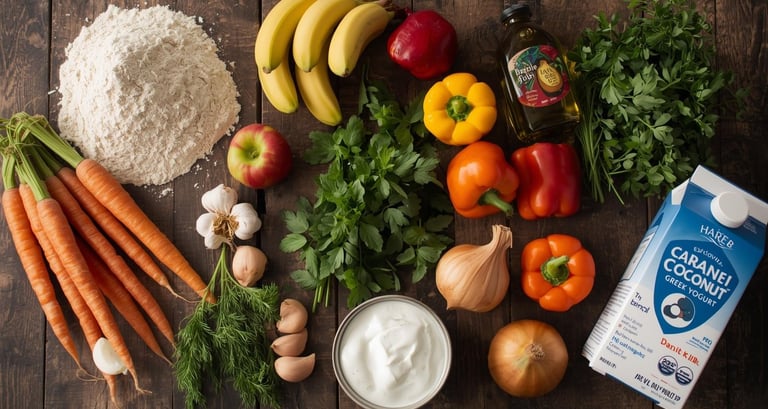
Smart Kitchen Swaps: 15 Simple Substitutions for Healthier Recipes (Without Sacrificing Flavor)
Did you know that small substitutions in your cooking can transform your favorite recipes into much more nutritious versions? In this complete guide, you'll discover how to make your dishes healthier while keeping all the flavor you love.
Why Make Healthy Kitchen Substitutions?
Making smart ingredient swaps brings real health benefits: reduces empty calories, increases fiber, vitamins, and minerals intake, and helps with weight management without giving up the pleasure of eating well.
The best part? These changes are simple, affordable, and work in recipes you already know and love.
1. White Flour → Whole Grain and Alternative Flours
The Swap
Replace refined wheat flour with whole wheat flour, oat flour, almond flour, or chickpea flour.
Why It Works
Whole grain and alternative flours contain more fiber, protein, and micronutrients. Whole wheat flour, for example, preserves the bran and germ of the grain, rich in B vitamins, iron, and magnesium.
How to Do It in Practice
For cakes and muffins: substitute 50% of white flour with whole wheat on your first try
For pancakes: use 100% oat flour blended in a blender
For breading: try almond flour or oat bran
Transformed Recipe: Whole Wheat Carrot Cake
Instead of 3 cups of white flour, use 2 cups of whole wheat flour + 1 cup of oat flour. The result is equally moist, with more satiety and nutrients.
2. Refined Sugar → Natural Sweeteners
The Swap
Replace white sugar with dates, mashed banana, unsweetened applesauce, honey, or coconut sugar.
Why It Works
Fruits add natural sweetness along with fiber, antioxidants, and vitamins. Coconut sugar has a lower glycemic index than refined sugar.
How to Do It in Practice
For brownies: use date paste (soak dates in hot water and blend)
For cookies: replace half the sugar with very ripe mashed banana
For cakes: try unsweetened applesauce (reduce recipe liquids by 1/4)
Golden Tip
For every cup of sugar replaced with fruit puree, reduce the recipe's liquid by approximately 1/4 cup.
3. Vegetable Oil → More Nutritious Alternatives
The Swap
Replace refined vegetable oil with extra virgin olive oil, coconut oil, avocado puree, or plain yogurt.
Why It Works
Olive oil offers heart-healthy monounsaturated fats. Avocado adds creaminess with vitamin E and potassium. Yogurt reduces calories while maintaining moisture.
How to Do It in Practice
For cakes: use avocado puree or plain yogurt (same amount)
For sautéing: prefer extra virgin olive oil or coconut oil
For muffins: mashed banana works perfectly
Transformed Recipe: Avocado Brownies
Replace 1/2 cup of oil with 1/2 cup of avocado puree. The result is a creamy, rich brownie with healthy fats.
4. Heavy Cream → Lighter Options
The Swap
Replace traditional heavy cream with Greek yogurt, light coconut milk, ricotta cream, or cashew cream.
Why It Works
These alternatives reduce saturated fat and calories while adding protein (Greek yogurt) or specific nutrients from each ingredient.
How to Do It in Practice
For hot sauces: use ricotta cream blended with a splash of milk
For cold desserts: plain Greek yogurt is perfect
For vegan sauces: cashew cream (soak and blend with water)
Proportions
The substitution is generally 1:1, but add the cream gradually in hot preparations to prevent curdling.
5. Table Salt → Natural Seasonings
The Swap
Reduce salt and intensify flavors with fresh herbs, spices, garlic, onion, lemon, and natural peppers.
Why It Works
Excess sodium is linked to hypertension. Herbs and spices offer antioxidants without adding sodium.
How to Do It in Practice
For meats: use rosemary, thyme, smoked paprika, and garlic
For vegetables: try curry, cumin, cilantro, or basil
For pasta: finishing with lemon enhances all flavors
Homemade Seasoning Mix
Mix: 2 tbsp garlic powder + 2 tbsp onion powder + 1 tbsp paprika + 1 tbsp herbs de Provence + 1 tsp sea salt.
6. Mayonnaise → Homemade and Healthy Versions
The Swap
Replace store-bought mayonnaise with mashed avocado, tahini paste with lemon, seasoned Greek yogurt, or nut-based mayo.
Why It Works
You eliminate preservatives, reduce sodium and trans fats, and add real nutrients.
How to Do It in Practice
For sandwiches: mashed avocado with lemon and salt
For salads: Greek yogurt + Dijon mustard + herbs
For spreads: blended nuts with lemon and olive oil
7. Whole Milk → Plant-Based Alternatives
The Swap
Replace cow's milk with almond, oat, coconut, or soy milk (unsweetened versions).
Why It Works
For those with lactose intolerance or who prefer plant-based options, these alternatives work well in most recipes and have fewer calories.
How to Do It in Practice
For pancakes and cakes: oat milk is closest to cow's milk
For smoothies: almond milk adds mild flavor
For savory recipes: coconut milk (light version) works very well
8. High-Fat Cheeses → Leaner Options
The Swap
Replace yellow cheeses and cream cheese with ricotta, cottage cheese, fresh mozzarella, or goat cheese.
Why It Works
Reduces saturated fat and calories while maintaining creaminess and protein content.
How to Do It in Practice
For fillings: ricotta seasoned with herbs
For sauces: blended cottage cheese becomes creamy
For gratins: mix lean cheese with a bit of Parmesan (strong flavor, less quantity)
9. Milk Chocolate → Pure Cocoa or Dark Chocolate
The Swap
Use 100% cocoa powder or 70%+ dark chocolate instead of milk chocolate.
Why It Works
Pure cocoa is rich in antioxidants (flavonoids) and has much less sugar. Dark chocolate offers heart health benefits.
How to Do It in Practice
For brownies: 1/3 cup of 100% cocoa powder
For mousses: melted 70% chocolate
For toppings: cocoa + dates + coconut
Tip
The flavor is more intense and less sweet, so you may need a bit of additional natural sweetener at first.
10. White Rice → Varied Whole Grains
The Swap
Replace white rice with brown rice, quinoa, black rice, barley, or grain mix.
Why It Works
Whole grains preserve fiber, B vitamins, and minerals that are removed in the refining process.
How to Do It in Practice
For everyday meals: brown rice (cook with bay leaf for extra flavor)
For salads: cold quinoa with vegetables
For risottos: barley or short-grain brown rice
Cooking Time
Whole grains need more time and water. Use a pressure cooker to speed up: brown rice is ready in 20 minutes.
11. White Bread → Whole Grain and Functional Breads
The Swap
Choose 100% whole grain breads, multi-grain breads, sourdough bread, or make homemade breads with alternative flours.
Why It Works
Whole grain breads have more fiber, promote prolonged satiety, and help with glycemic control.
How to Choose
Read the label: the first ingredient should be "whole wheat flour" or "whole grain flour," not "enriched wheat flour."
12. French Fries → Baked and Creative Versions
The Swap
Bake potatoes in the oven with a drizzle of olive oil or try vegetable chips (sweet potato, zucchini, eggplant).
Why It Works
You drastically reduce fat and calories while maintaining crunchiness and flavor.
How to Do It in Practice
Cut vegetables thin, season with olive oil and spices, arrange in a single layer on a baking sheet, and bake at 400°F until golden.
Crispiness Trick
Soak cut vegetables in ice water for 30 minutes before baking, dry well, and then season.
13. Store-Bought Sauces → Quick Homemade Versions
The Swap
Make your own sauces with fresh tomatoes, herbs, garlic, and olive oil instead of store-bought versions.
Why It Works
You eliminate added sugars, excess sodium, and artificial preservatives.
Express Recipe: Homemade Tomato Sauce (10 minutes)
Sauté 2 garlic cloves in olive oil, add 4 chopped tomatoes, season with salt, basil, and oregano. Cook for 10 minutes mashing the tomatoes. Done.
14. Breakfast Cereals → Natural Options
The Swap
Replace sugary cereals with oatmeal, homemade sugar-free granola, or a mix of nuts and dried fruits.
Why It Works
Most commercial cereals have sugar as the second or third ingredient. Natural options offer fiber and lasting energy.
Simple Homemade Granola
Mix 2 cups oats + 1/2 cup chopped nuts + 1/4 cup honey + 2 tbsp coconut oil. Bake at 320°F for 20 minutes, stirring halfway through.
15. Traditional Ice Cream → Nice Cream and Homemade Versions
The Swap
Freeze ripe bananas, blend in a food processor until creamy consistency. Add cocoa, peanut butter, or berries.
Why It Works
You get a creamy, sweet dessert using only fruit, without added sugar, dyes, or stabilizers.
Delicious Variations
Chocolate: add 2 tbsp cocoa powder
Cookies: add whole grain cookie pieces
Berries: blend with frozen strawberries
Final Tips for Successful Substitutions
Start slowly: don't change everything at once. Try one or two substitutions per week.
Adjust proportions: some substitutions may require small adjustments to liquids or cooking time.
Trust the process: your palate adapts. What may seem "different" at first soon becomes the new normal.
Involve the family: explain the benefits and ask for opinions. When everyone participates, changes become easier.
Conclusion: Small Changes, Big Results
Smart kitchen swaps don't mean giving up flavor or the pleasure of eating. It means making conscious choices that benefit your health without making eating a boring or restrictive task.
Start today by choosing 2 or 3 substitutions from this list and try them in your favorite recipes. You'll be surprised how easy it is to eat better while keeping everything delicious.
Which substitution will you try first? Share in the comments!
Did you enjoy this content? Subscribe to our newsletter to receive more healthy eating tips directly in your inbox.