

Whole Food Utilization: A Complete Guide
Learn how to use fruit peels, stems, leaves, and seeds, reduce food waste, save money, and improve your nutrition with practical and sustainable recipes.
11/27/20259 min read
What Is Whole Food Utilization?
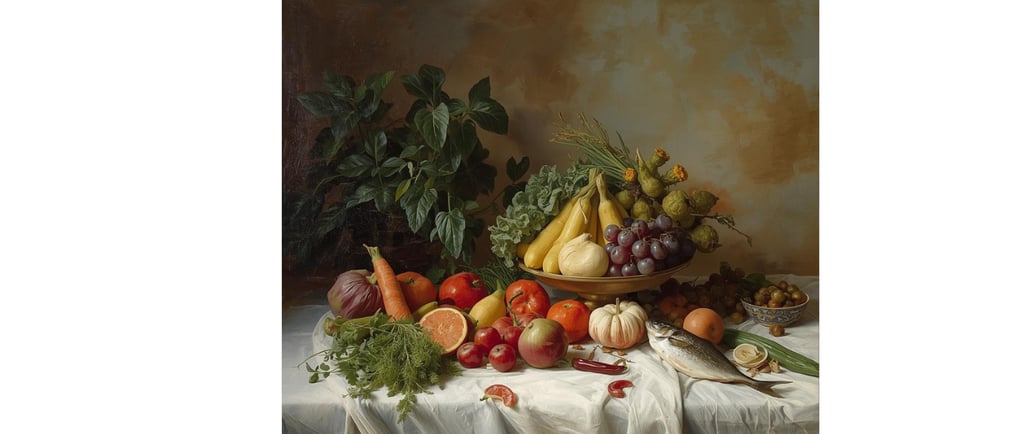
Whole food utilization is the practice of using all edible parts of fruits, vegetables, and greens - including peels, stems, leaves, seeds, and even flowers - that are traditionally discarded. It's much more than a trend: it's an urgent necessity for the planet and an intelligent strategy for your health and household economy.
We live in a worrying food paradox: while millions of Brazilians face food insecurity, Brazil is among the 10 countries that waste the most food in the world. An average Brazilian family discards almost 130 kilograms of food per year. Imagine the impact if we transformed this reality!
The good news is that the solution is within our reach, literally in the peels we throw away.
Why Is Whole Utilization So Important?
1. Devastating Environmental Impact of Waste
According to the UN, about one-third of all food produced globally is wasted. In Brazil, losses occur throughout the chain: harvest, transport, storage, retail, and finally, in our homes.
What happens to organic waste:
Organic waste represents 50% of urban waste in Brazil
In landfills and dumps, generates leachate that contaminates soil and water
Attracts disease vectors
Emits methane, a greenhouse gas 25 times more potent than CO2
When we use food wholly, we drastically reduce the volume of organic waste and its environmental impact.
2. Hidden Nutritional Wealth
Here's the secret few know: the parts we discard often contain more nutrients than the parts we consume!
Surprising examples:
Carrot tops: Very rich in vitamin A (6 times more than the root), calcium, iron, and vitamin K.
Banana peels: Contain more fiber, vitamins B6 and B12, magnesium, and potassium than the pulp. Additionally, they're rich in tryptophan, a precursor to serotonin.
Broccoli stems: Have similar concentration of vitamin C and fiber as the florets, with perfect crunchy texture for salads and stir-fries.
Potato peels: Concentrate much of the tuber's fiber, potassium, and vitamins.
Beet greens: Contain more iron than spinach and are excellent sources of calcium and vitamins A and C.
Pumpkin seeds: Rich in zinc, magnesium, proteins, and healthy fats. Allies for prostate health and immune system.
By discarding these parts, we're literally throwing health in the trash!
3. Real Economy in Family Budget
With whole utilization, you:
Increase food yield by up to 30-40%
Reduce shopping frequency
Create complete meals with less investment
Transform "leftovers" into valuable ingredients
4. Commitment to Sustainable Development Goals (SDGs)
The UN's 2030 Agenda established the goal of halving global food waste. Each of us has a fundamental role in this collective commitment.
Edible Parts You Can (and Should!) Use
Leaves
Carrot, beet, sweet potato, turnip, radish
Cauliflower, broccoli, pumpkin
Mustard, mint, watercress, parsley
Stems
Broccoli, cauliflower, chard
Watercress, spinach, arugula
Parsley, chives, cilantro
Peels
Fruits: banana, apple, orange, tangerine, lemon, papaya, pineapple, mango, melon, watermelon, passion fruit, guava
Vegetables: potato, carrot, cucumber, eggplant, beet, pumpkin, chayote
Seeds
Pumpkin, melon, watermelon, papaya
Sunflower, sesame
Jackfruit
Inner Rinds
Watermelon (white part between green peel and red pulp)
Passion fruit
Flowers
Artichoke, calendula, hibiscus
Pumpkin, cauliflower
Other Parts
Vegetable cooking water (base for soups and broths)
Chicken feet, necks, and carcasses (nutritious broths)
Lettuce, kale, and other leaf stems
Essential Hygiene and Safety Care
Proper Washing
Complete step-by-step:
First wash: Remove dirt and visible soil in running water
Sanitizing solution: Soak for 15 minutes in:
1 liter water + 1 tablespoon bleach suitable for food, OR
1 liter water + 1 tablespoon vinegar, OR
Commercial sanitizing product following instructions
Final rinse: Wash again in abundant running water
Drying: Dry with paper towel or salad spinner
Pesticide Issue
There's an important debate about pesticides that concentrate in peels. To minimize risks:
Prioritize organic foods when possible, especially for:
Strawberries, apples, peaches (high residue index)
Delicate leaves like lettuce and spinach
Tomatoes, peppers, grapes
For conventional foods:
Do the rigorous hygienization described above
Vinegar and baking soda help remove part of residues
Consider peeling when the peel is very thick
Support family farming and organic markets, which generally have less pesticide use and affordable prices.
Parts That Should NOT Be Consumed
Not everything is edible! Avoid:
Tomato leaves (toxic)
Potato leaves (toxic)
Onion and garlic peels (very bitter and tough)
Apple seeds in large quantities (contain amygdalin)
Stone fruits like peach and plum pits
Moldy or spoiled parts of any food
How to Start: Practical Step-by-Step
Week 1: Observation and Planning
Diagnose your waste:
For one week, separate everything you would throw in the trash: peels, stems, leaves
Observe the volume and types of "leftovers"
Identify which parts you could have used
Organize your shopping:
Ask vendors to keep leaves and stems (many remove thinking you don't want them)
Plan menus that use the whole food
Buy only what's necessary to prevent spoilage
Week 2-3: First Experiences
Start with simple recipes:
Add chopped stems to stir-fries and soups
Make peel chips in the oven
Prepare nutritious broth with vegetable scraps
Try sautéed leaves as side dish
Important tip: Go slowly! New flavors need adaptation.
Week 4 Onwards: Expanding the Repertoire
Test more elaborate recipes
Create your own versions
Involve family in the process
Share experiences on social media
15 Practical Recipes for Whole Utilization
1. Nutritious Vegetable Scrap Broth
Ingredients:
Peels, stems, leaves, and various vegetable scraps
Garlic, onion (with peel!)
Fresh herbs
Water
Salt and pepper
Preparation:
Place all vegetables in large pot
Cover with water (about 2 liters)
Bring to boil, lower heat and simmer for 40 minutes
Strain and use as base for soups, risottos, sauces
Tip: Freeze in ice cube trays to use gradually!
2. Complete Stem and Peel Farofa
Ingredients:
2 cups chopped stems (broccoli, kale, watercress)
1 cup grated peels (carrot, beet)
1 chopped onion
2 garlic cloves
3 cups cassava flour
Olive oil, salt, and pepper
Fresh herbs
Preparation:
Sauté onion and garlic in oil
Add stems and peels, sauté for 5 minutes
Add flour gradually, stirring constantly
Season and finish with fresh herbs
3. Baked Peel Chips
Works for: Potato, sweet potato, carrot, beet, pumpkin
Preparation:
Wash peels very well
Cut into strips or keep whole
Season with olive oil, garlic powder, salt, pepper, paprika
Distribute on lined baking sheet
Bake at 200°C for 15-20 minutes until crispy
Variation: Cauliflower or broccoli leaf chips follow same process!
4. Green Stem and Leaf Fritters
Ingredients:
2 cups chopped leaves and stems
2 eggs
1 cup flour
1 chopped onion
Oregano, salt, pepper
1 tablespoon baking powder
Olive oil for sautéing
Preparation:
Sauté onion, add leaves and stems, season
Let cool and mix with beaten eggs
Add flour, mix well
Lastly, baking powder
Fry spoonfuls of batter in hot oil
5. Nutritious Rice with Stems
Ingredients:
2 cups rice
1 cup very finely chopped stems (broccoli, cauliflower)
Garlic, onion
Water or vegetable broth
Olive oil, salt
Preparation:
Sauté garlic and onion
Add stems and sauté for 2 minutes
Add rice, toast slightly
Add hot water/broth (normal rice proportion)
Cook normally
6. Green Juice with Stems
Ingredients:
1 apple with peel
Kale, watercress, or parsley stems
1 cucumber with peel
Juice of 1 lemon
Ginger (optional)
Water or coconut water
Preparation:
Blend everything in blender
Strain if preferred or drink with fibers
Consume immediately
7. Fruit Peel Jam
Works for: Pineapple, apple, orange, passion fruit, guava peels
Ingredients:
2 cups peels
1 cup sugar (or less, to taste)
Juice of 1 lemon
Spices (cinnamon, clove) optional
Preparation:
Blend peels with a bit of water in blender
Cook with sugar and spices
Cook over low heat, stirring constantly, for 30-40 minutes
Test consistency (place some on cold plate, if it gels, it's ready)
Store in sterilized jars
8. Banana Peel Brigadeiro
Ingredients:
Peels of 2 well-washed and chopped bananas
1 can sweetened condensed milk
4 tablespoons cocoa powder
1 tablespoon butter
Preparation:
Blend peels in blender until paste
Mix with other ingredients
Cook over low heat, stirring constantly until it comes off bottom
Let cool, roll, and coat in sprinkles
9. Banana Peel "Meat"
Ingredients:
Peels of 6 ripe bananas
1 large onion
3 garlic cloves
2 tomatoes
Fresh herbs
Paprika, cumin, smoked paprika
Salt and pepper
Preparation:
Wash peels well and cut into strips
Soak in water with vinegar for 15 minutes
Sauté onion and garlic
Add peels and sauté well
Add tomato and seasonings
Cook for 15-20 minutes
Use in: Tacos, pastries, pies, croquettes, sandwiches
10. Savory Stem and Peel Pie
Dough:
2 cups flour
1/2 cup water
1 tablespoon butter
Salt
Filling:
2 cups various chopped stems and peels
1 onion
2 tomatoes
Olives
Salt, oregano
Preparation:
Prepare simple dough with ingredients
Rest 30 minutes in fridge
Sauté filling ingredients
Roll out dough, line pan, add filling
Cover with remaining dough
Brush with egg yolk and bake at 200°C until golden
11. Stem Pâté
Ingredients:
1 cup cooked stems (any type)
1 cup cooked leaves
1 onion
Peanuts or cashews
Olive oil, salt, lemon
Preparation:
Cook stems and leaves until soft
Blend in blender with other ingredients
Adjust seasonings
Serve with toast or bread
12. Creamy Anti-Waste Soup
Ingredients:
3 cups various scraps (peels, stems, vegetables)
1 potato
1 onion
2 garlic cloves
Broth or water
Heavy cream or coconut milk (optional)
Preparation:
Sauté onion and garlic
Add all vegetables
Cover with broth/water and cook until everything softens
Blend in blender
Return to pot, add cream if desired
Adjust seasonings
13. Stem Pesto
Ingredients:
2 cups various stems
1/2 cup walnuts, cashews, or peanuts
1/2 cup grated cheese
Garlic
Olive oil
Salt
Preparation:
Blend everything in processor or blender
Add olive oil until creamy consistency
Adjust seasonings
Use in: Pasta, sandwiches, pizzas, bruschetta
14. Pumpkin Peel Cookies
Ingredients:
1 cup cooked and mashed pumpkin peel
2 cups flour
1/2 cup sugar
1/2 cup oil
1 egg
1 tablespoon baking powder
Cinnamon
Preparation:
Mix all ingredients
Shape cookies
Bake at 180°C for 15-20 minutes
15. Peel Flour
Works for: Banana, passion fruit, orange, papaya peels
Preparation:
Wash and sanitize peels very well
Cut into thin strips
Arrange on lined baking sheet
Dehydrate in oven at minimum temperature (100-120°C) for 2-3 hours
Let cool completely
Blend in blender until powder
Sift
Store in airtight container
Use in: Cakes, breads, smoothies, yogurts, soups (as thickener)
Storage and Preservation Tips
For Peels and Stems
Refrigerator:
Wash, dry well and store in airtight containers or reusable bags
Last 3-5 days
Keep separated by type for easy use
Freezer:
Excellent for stems, peels, and leaves you'll use in soups, broths, or stir-fries
Wash, chop, distribute in portioned bags
Last up to 3 months
Use straight from freezer, no defrosting
For Ready Recipes
Fritters, pies, pâtés: 3-4 days in fridge
Broths: 3-5 days in fridge, 3 months in freezer
Flours: 2-3 months in well-sealed container, dry place
Jams: 1 month in fridge after opening
Zero Waste Weekly Planning
Monday
Market shopping: Ask for leaves and stems
Base prep: Wash and sanitize everything upon arrival
Freeze: Portions of stems and peels for the week
Tuesday
Use fresh leaves in salads and stir-fries
Prepare broth with previous day's scraps
Wednesday
Make farofa or rice with stems
Use previous day's broth in risotto or soup
Thursday
Peel chips for snacks
Stem pesto or pâté
Friday
Pie or pastry with week's leftovers
Organize freezer
Saturday
Try new more elaborate recipe
Involve family
Sunday
Big soup with all leftovers
Prepare bases for next week
Composting: The Conscious Final Destination
Even with all utilization, some waste isn't edible. Composting is the perfect solution!
Benefits of Home Composting
Reduces household waste by up to 50%
Produces natural rich fertilizer for plants
Decreases leachate generation in landfills
Reduces methane emissions
Teaches sustainability to children
How to Start
1. Choose method:
Worm composter (faster, no smell)
Dry composter
Backyard composting
2. What to compost:
Fruit and vegetable peels and scraps
Coffee grounds and tea bags
Crushed eggshells
Dry leaves, sawdust
3. What NOT to compost:
Meats, dairy, oils
Pet feces
Diseased plants
Plastic-coated paper
4. Maintenance:
Balance dry and wet materials
Turn occasionally
Keep moist but not soggy
Involving the Family
For Children
Create a game: "Nutritional treasure hunt" - discover together what each part contains
Creativity challenge: Who invents the best recipe with scraps
Home garden: Teach about complete food cycle
Responsibility: Each one takes care of washing a specific part
For Teenagers
Sustainability and social media: Document the journey, share recipes
Economy: Show how much you save monthly
Culinary creativity: Encourage experimentation
For Whole Family
Conscious cooking day: One day per week, everyone cooks together
Friendly competition: Who creates tastiest dish with scraps
Food education: Learn together about nutrition
Real Impact: When You Adopt Whole Utilization
In Your Wallet (Monthly)
Estimated savings: 20-30% on grocery bill
Reduced shopping: Fewer trips to market
Greater yield: Each food yields more meals
In the Environment (Annually)
Less waste: Reduction of 30-50kg organic waste per person
Fewer resources: Savings of water, energy, and fuel in production
Lower emissions: Less methane in landfills
In Your Health
More nutrients: 20-40% increase in vitamin and mineral intake
More fiber: Better digestion and satiety
Varied eating: Greater diversity of bioactive compounds
Common Barriers and How to Overcome Them
"I don't have time"
Solution:
Start small: just 1-2 preparations per week
Do batch prep on weekends
Use simple recipes (broth, stir-fry, chips)
"My family won't accept it"
Solution:
Start with familiar flavors (fritters, farofa)
Don't announce initially, let them taste
Involve family in process
Introduce gradually
"I'm afraid of pesticides"
Solution:
Prioritize organic when possible
Sanitize rigorously
Buy from small producers
Start with less contaminated foods
"I don't cook well"
Solution:
Start with simplest recipes in this guide
Watch YouTube videos
Join social media groups
Practice without pressure
Quick Recipe Reference by Scrap Type
I Have Many Stems
✓ Stem farofa
✓ Stem pesto
✓ Green fritters
✓ Rice with stems
✓ Creamy soup
✓ Simple stir-fry
I Have Many Banana Peels
✓ Brigadeiro
✓ Plant "meat"
✓ Banana flour
✓ Whole grain cake
✓ Sweet chips
I Have Many Leaves
✓ Leaf chips
✓ Gratinated stir-fry
✓ Pie filling
✓ Green juice
✓ Pâté
✓ Salad (tender leaves)
I Have Citrus Fruit Peels
✓ Jam
✓ Candied fruits
✓ Zest for seasoning
✓ Infusions and teas
✓ Natural air freshener
I Have Mixed Scraps
✓ Nutritious broth
✓ Scrap soup
✓ Complete savory pie
✓ Mixed farofa
✓ Composting
Conclusion: Every Part Counts
Whole food utilization is much more than a culinary technique: it's a life philosophy that reconnects us with the true value of food, with respect for the environment, and with our social responsibility.
When you transform a banana peel into delicious brigadeiro, you're not just saving money or reducing waste. You're making a powerful statement: "I care about the planet's future. I value every resource. I'm part of the solution."
The change doesn't need to be radical or immediate. Start by choosing one recipe from this list. Try it. Adapt it. Share it with those you love. And gradually, you'll realize that whole utilization has become a natural part of your routine.
Remember: Brazil produces enough food to feed its entire population with surplus. The problem isn't lack of food, it's waste. And the solution begins in our kitchen, with our daily choices.
Your challenge for this week: Choose ONE part you normally discard and transform it into something delicious. Photograph it. Savor it. Celebrate it. And share your experience in the comments or on social media with the hashtag #WholeUtilization.
Together, we can reduce waste, nourish our families better, and care for the planet. Every peel, every stem, every leaf counts. And each of us makes a difference.
This article has an informative and educational character. For personalized nutritional guidance, consult a registered professional.
Tags: whole food utilization, sustainability, zero waste, conscious eating, peel recipes, stem recipes, household economy, nutrition, environment, SDGs, composting, waste reduction, healthy eating, sustainable recipes